Essay · TRANSIT
The War on Drugs is Why Your Bus Never Showed Up

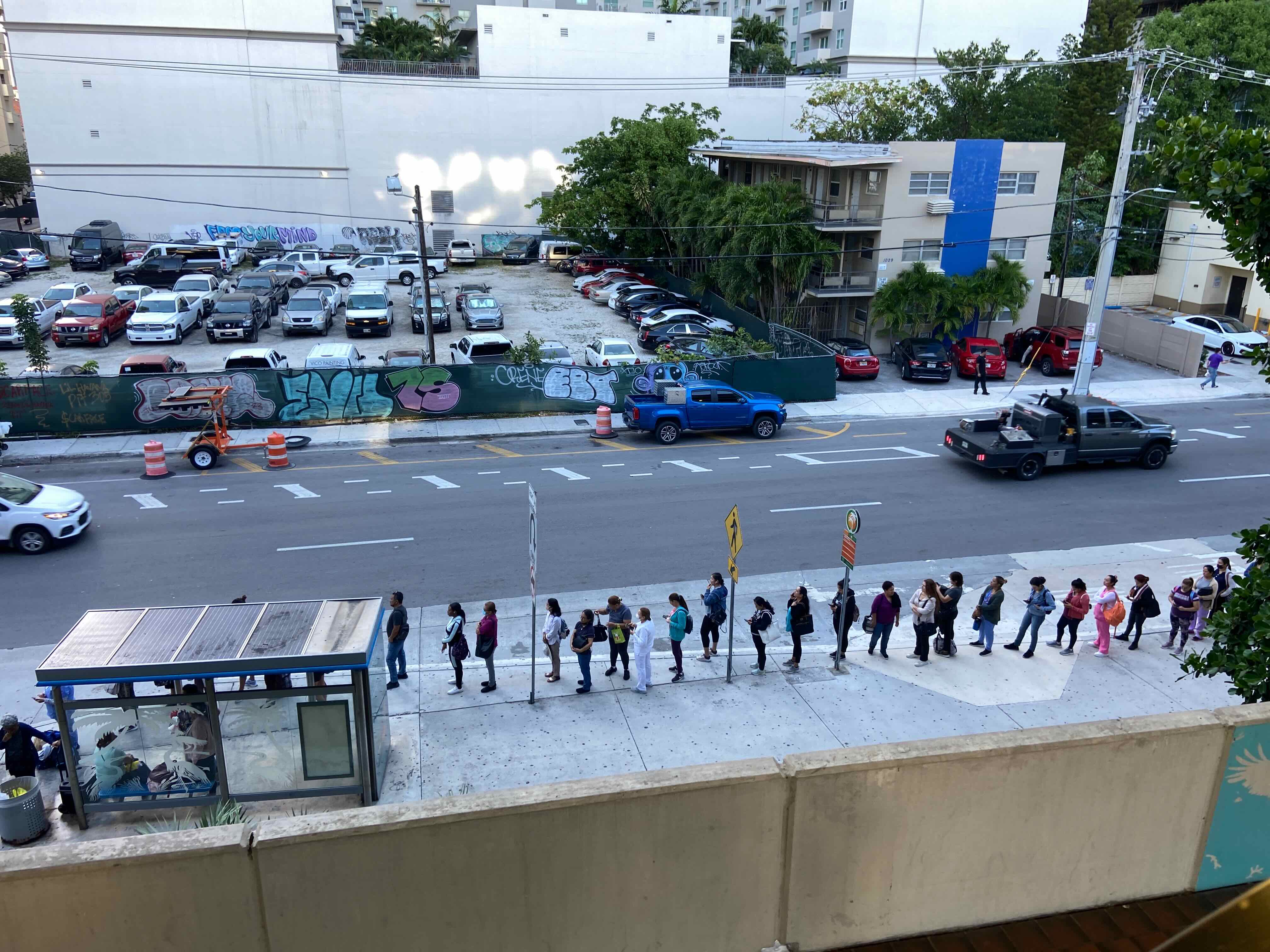
You’re standing at the bus stop. The app said the bus would arrive in 3 minutes. Then 5 minutes. Then it just disappears from the tracker entirely. No bus. No explanation. Just another 45-minute wait for the next one, assuming that one actually shows up.
This isn’t a story about infrastructure or funding.
It’s about United States federal drug policy.
The Real Problem: Nobody Can Drive the Buses
More than 90% of transit agencies across the US can’t hire enough bus drivers.1 Not because people don’t want the jobs—because federal law won’t let them take them.
In Baltimore, one in five buses don’t complete their runs.2 LA Metro is short 600 drivers and cancels 10% of scheduled service every single day.3 Miami postponed its entire bus network redesign because it couldn’t find people to drive the new routes.4
Before the pandemic, LA Metro missed 1-2% of scheduled trips. Now it’s 10%. That’s not a marginal decline—that’s system failure.
The Federal Trap
Here’s the problem: Under federal law (49 CFR Part 382), anyone with a commercial driver’s license must pass DOT drug tests that include marijuana.5 No exceptions.
This applies to every transit bus operator in America, regardless of what state law says about marijuana.
Notably, these mandates do not apply to Uber or Lyft drivers.
The tests don’t measure impairment–they detect THC metabolites that linger for weeks after use.
Someone who smoked on Saturday tests positive on Monday despite being completely sober.
One positive test goes into a federal database and effectively ends your driving career.
Who Gets Excluded
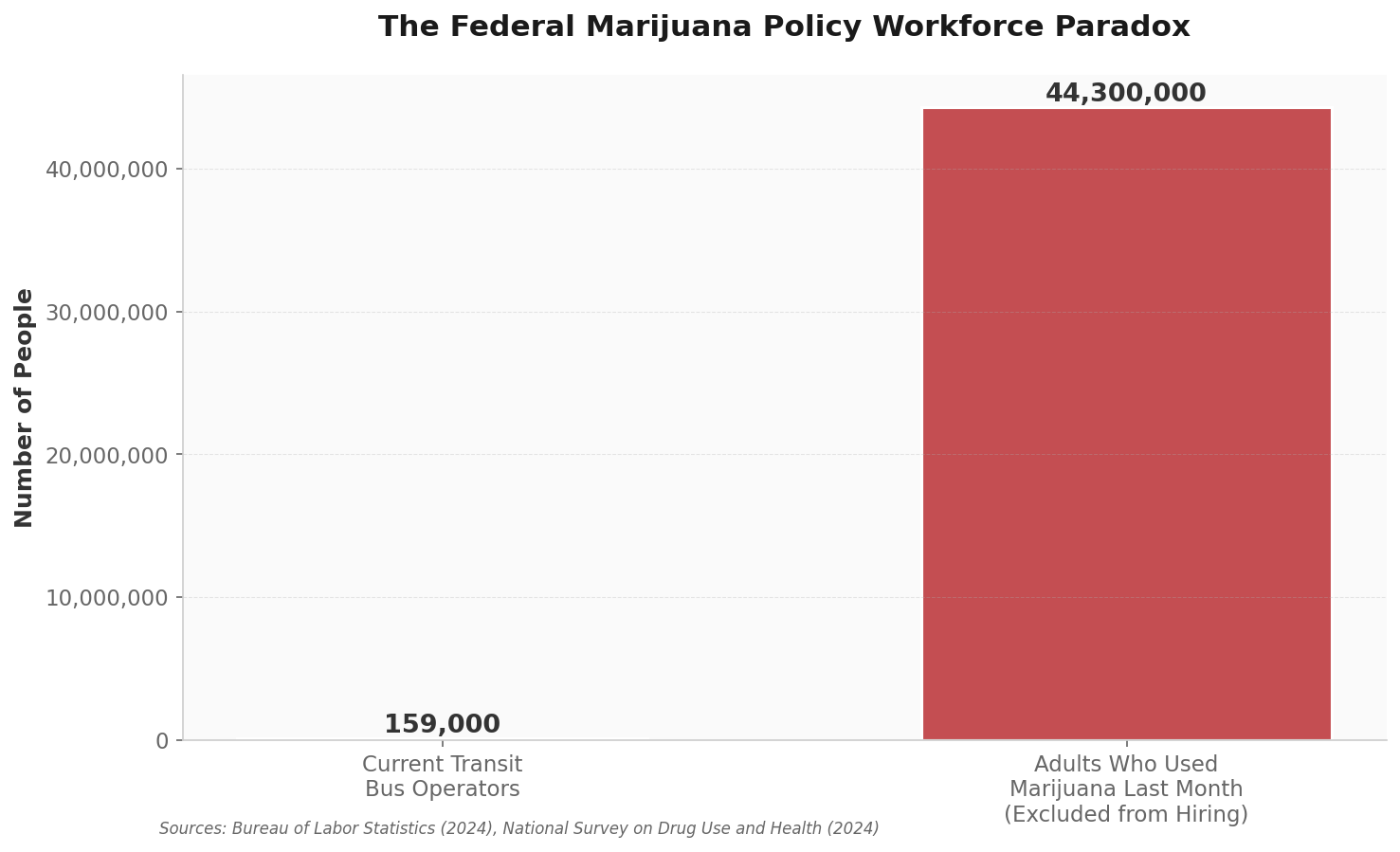
According to 2024 federal data, 44 million American adults used marijuana in the past month.6
That’s 15% of the US adult population—-the exact population transit agencies need to recruit from.
Transit agencies are desperate to hire. They’re offering bonuses, raising wages, running recruitment campaigns.
But federal policy immediately disqualifies 15-25% of otherwise qualified applicants before they even walk in the door.
Think about that math. There are 159,000 transit bus operators nationwide.7
Agencies report shortages of 600-800 drivers at single large systems.
The workforce shortage is measured in thousands and federal policy is excluding millions.
The Absurd Part
In 24 states, recreational marijuana is already legal. In 38 states, medical marijuana is legal.8
You can walk into a licensed dispensary in Los Angeles, Denver, or Seattle, buy marijuana legally, use it at home on the weekend, and be permanently barred from driving a bus on Monday.
Eight states have passed laws explicitly protecting workers from employment discrimination based on off-duty marijuana use.9
But all those protections include an exception: they don’t apply if federal law requires drug testing. The state laws can’t override DOT regulations.
So someone in California (where marijuana has been legal for years) can be fired from a bus driving job or never hired in the first place for doing something that’s completely legal under state law.
Not because they’re impaired at work, but because they tested positive for something they did on their own time that violated no state law.
What Actually Happens to Service
When agencies can’t hire drivers, the consequences are immediate and measurable:
Buses don’t show up. Before the shortage, major agencies completed 98-99% of scheduled runs. Now many are at 85-90%. Each missed bus means missed connections, doubled wait times, and overcrowded buses when one finally arrives.
Routes get cut. Rhode Island cut service on 21 routes citing driver shortages.10 Pittsburgh reduced scheduled service by 4%.11 These aren’t strategic decisions—they’re forced reductions because there aren’t enough people to drive the buses that already exist.
Riders give up. When you can’t trust the bus to show up, you stop planning your life around it. You buy a car. You take an Uber. You move closer to work. The system loses riders not because of a single bad trip, but because unreliability makes it unusable.
The Zero-Cost Fix
Removing marijuana from CDL drug testing wouldn’t cost transit agencies anything. They don’t need to buy new buses, build new facilities, or hire more mechanics. They just need access to the millions of workers federal law currently bars them from hiring.
Right now agencies are spending thousands per driver on signing bonuses and retention incentives—band-aids that don’t fix the underlying problem.
Meanwhile, 44 million Americans who could do the job are legally prohibited from applying.
The current policy forces agencies to compete for the 75-85% of adults who haven’t used marijuana recently, while excluding a massive pool of qualified workers for no reason related to job performance or safety.
But What About Safety?
The tests don’t measure safety. They measure past use.
Someone can be stone sober, fully capable of safely operating a bus, and still fail a marijuana test from use days or weeks earlier.
Meanwhile, the same test won’t catch someone who’s exhausted, hungover, on cold medicine, or impaired by any number of other factors that actually affect driving.
New York’s Department of Labor has explicitly said employers can’t test for marijuana because the tests don’t measure workplace impairment—they measure past behavior that has no bearing on current job performance.12
If safety is the concern, there are performance-based impairment tests that measure actual ability to do the job, regardless of cause.
Those tests would catch impairment from any source: marijuana, alcohol, fatigue, illness, medication.
Current marijuana testing doesn’t do that.
The Fix
Federal marijuana policy treats cannabis like heroin—Schedule I, high potential for abuse, no medical value. That classification is why transit agencies must test for it. It’s also completely divorced from reality, medical research, and the laws in 38 states.
The fix is simple: remove marijuana from DOT drug testing requirements. That’s it. Transit agencies could immediately start hiring from a pool of 44 million additional workers. Service would improve overnight at zero cost to taxpayers.
The buses exist. The routes are planned. The riders are waiting.
The only thing missing is drivers—and federal drug policy is the reason they can’t get hired.
Your bus didn’t show up because someone who could have driven it wasn’t allowed to take the job.
Not because they couldn’t do it safely.
Because they smoked weed two weeks ago.
American Public Transportation Association, Transit Workforce Shortage Study (2022) ↩
Governing, A Bus Driver Shortage Threatens Transit (October 31, 2022) ↩
Streetsblog LA, Missed Runs and Crowded Buses: Metro Falls Short of Restoring Full Pre-COVID Transit Service (October 1, 2021) ↩
TransitCenter, Bus Operators in Crisis (2022) ↩
Federal Motor Carrier Safety Administration, 49 CFR Part 382 - Controlled Substances and Alcohol Use and Testing ↩
Substance Abuse and Mental Health Services Administration, Key Substance Use and Mental Health Indicators in the United States: Results from the 2024 National Survey on Drug Use and Health (2024) ↩
Bureau of Labor Statistics, Occupational Employment and Wages: Bus Drivers, Transit and Intercity (May 2024) ↩
Marijuana Policy Project, Cannabis Legalization and Employment Protections ↩
GovDocs, Marijuana Laws by State: Employee Protections (August 20, 2025) ↩
Governing, A Bus Driver Shortage Threatens Transit (October 31, 2022) ↩
Pittsburgh Post-Gazette, Port Authority to reduce service because of driver shortage (May 19, 2022) ↩
Anderson Kill, New York Bans Employers From Testing (Most) Employees And Job Applicants For Marijuana (June 16, 2025) ↩
Enjoyed this post? Get new posts via email