Essay · TRANSPORTATION
Yes, Your Bike Can Carry That

You already know how to ride a bike. The only thing standing between you and a carless grocery run is how the stuff gets home with you.
Start with what you already own
You do not need to buy a new bicycle to carry things.
A standard bike can carry a surprising amount with zero accessories.
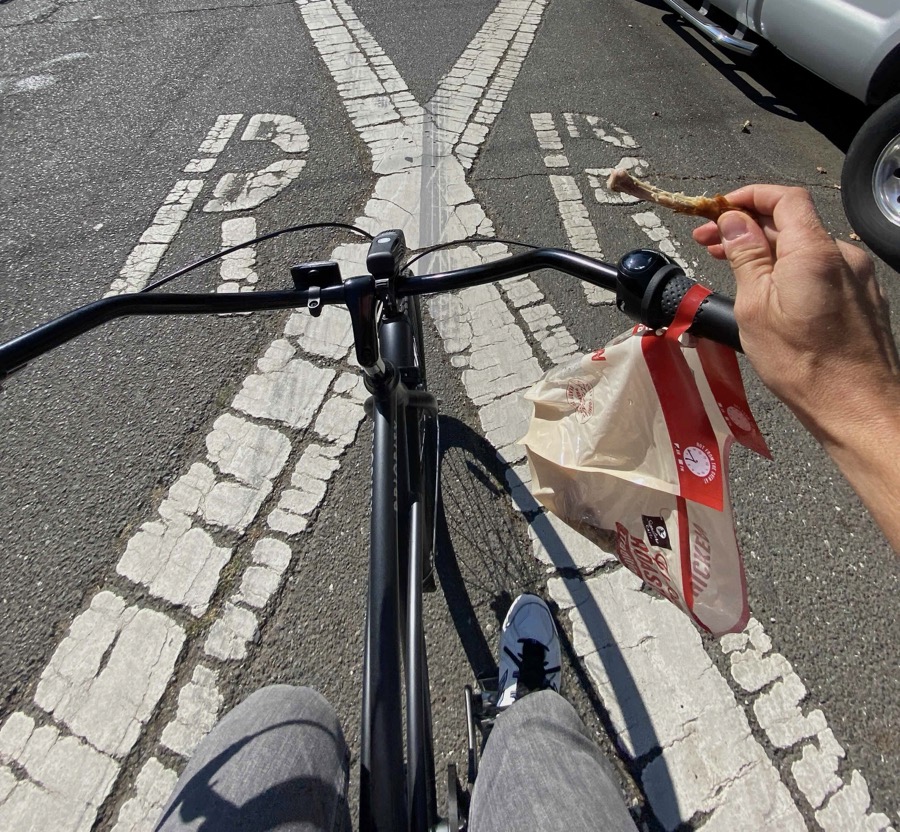
Hanging a bag from each handlebar works. Two full canvas shopping bags hang cleanly from most handlebars. That’s enough for a mid-week grocery stop, a pharmacy run, a hardware store visit.
Keep the weight roughly even and don’t pile so much that steering is unmanageable.
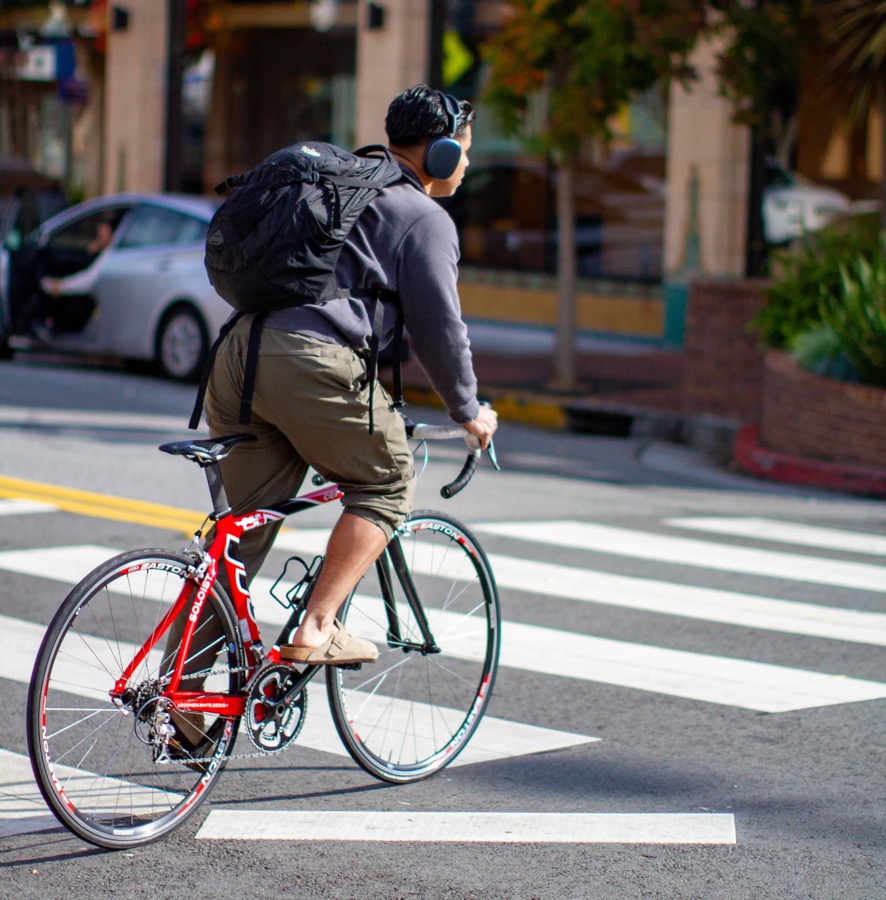
A backpack adds more capacity without touching the bike at all, and nearly everyone already owns one. They suit dense loads: boxed goods, a change of clothes, pantry staples. The tradeoff is that their weight on your back means sweat on your back, which matters more on longer rides, going up hills, or on hotter days.
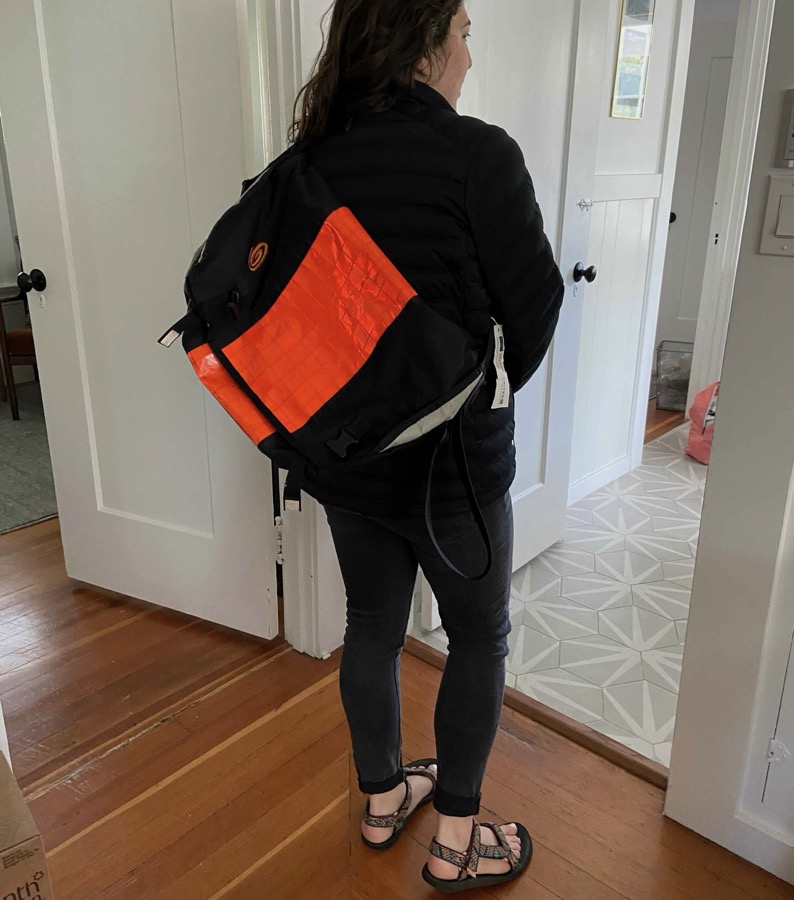
A messenger bag works similarly but handles irregular shapes better and is faster to load and unload. They’re less common than backpacks, but worth knowing about if you’re carrying things that don’t pack neatly.
Carry more without wearing it
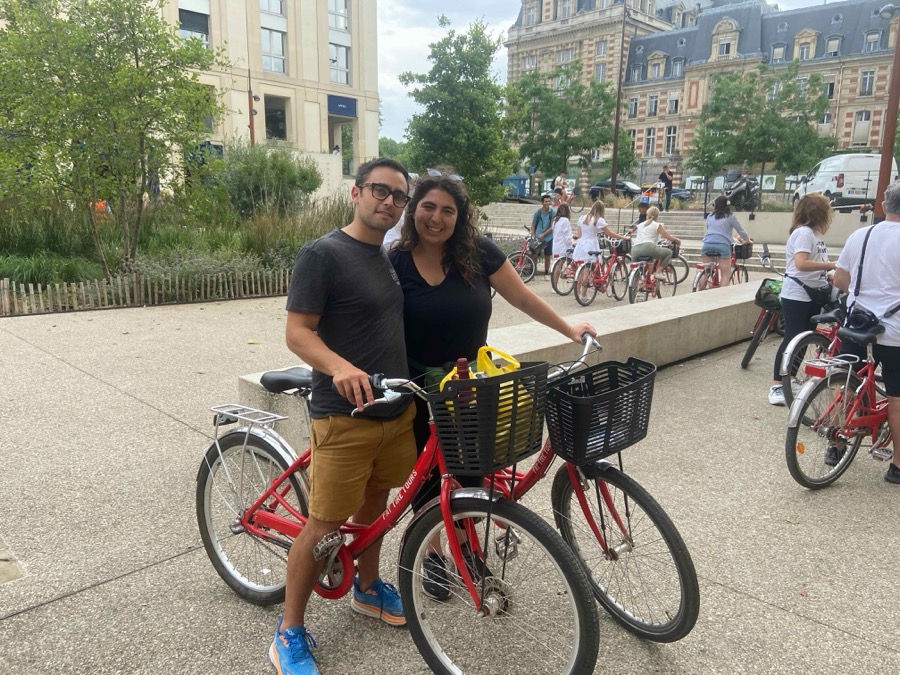
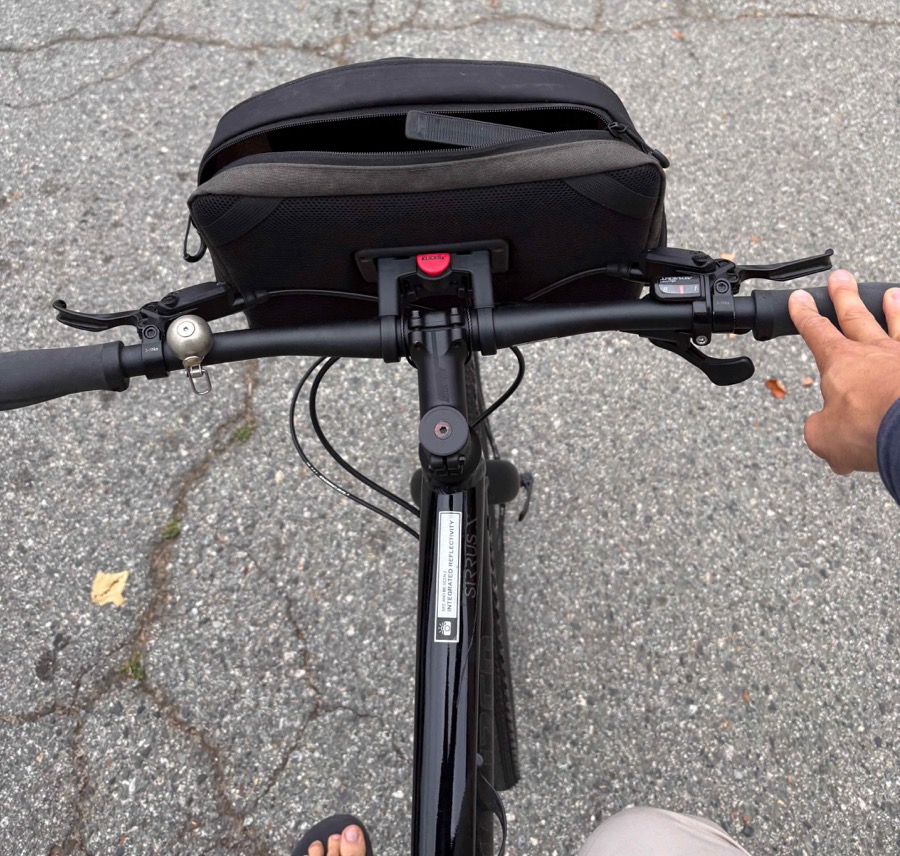
A handlebar bag or basket mounts to your cockpit and sits in front of you. In the 1–5 liter range it holds a wallet, phone, and keys. In the 10–20 liter range it handles a grocery run and keeps the weight low and forward.
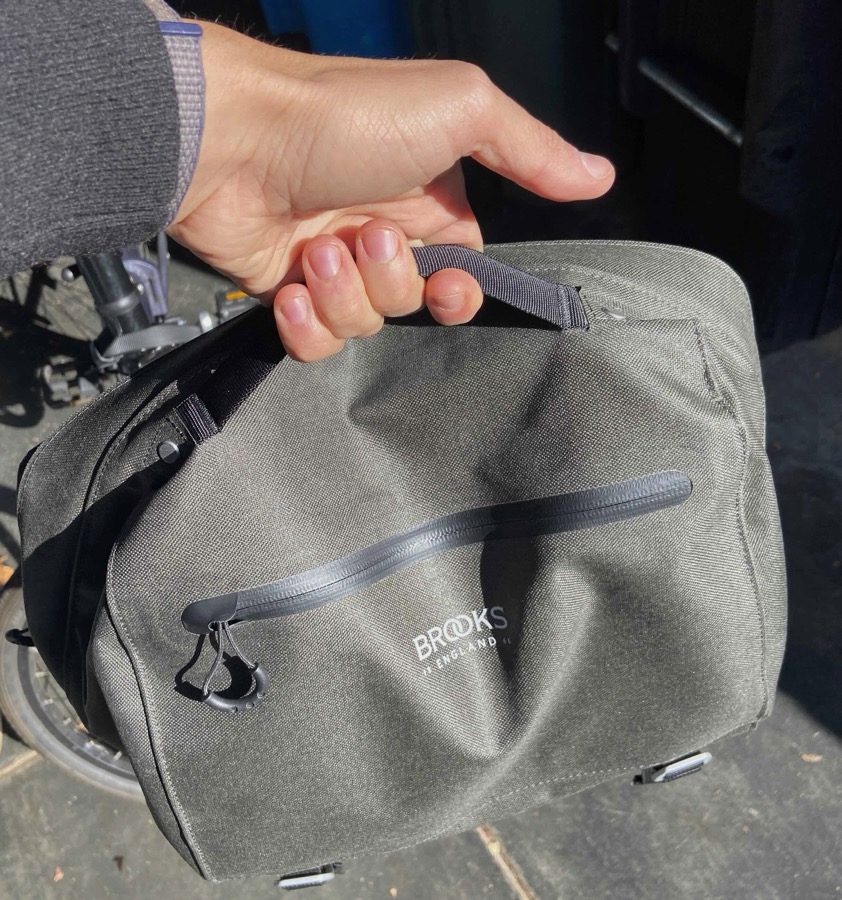
Most front bags/baskets detach quickly so you can carry the bag into the store and clip it back on when you leave.
Here is a bigger one that looks like a bucket, and worked perfectly for my wife & I as we went picnicking:
Here is a smaller one that detaches and looks like a small briefcase (it fits my 13-inch work laptop):
Adding a “rack” is where carrying capacity significantly expands.
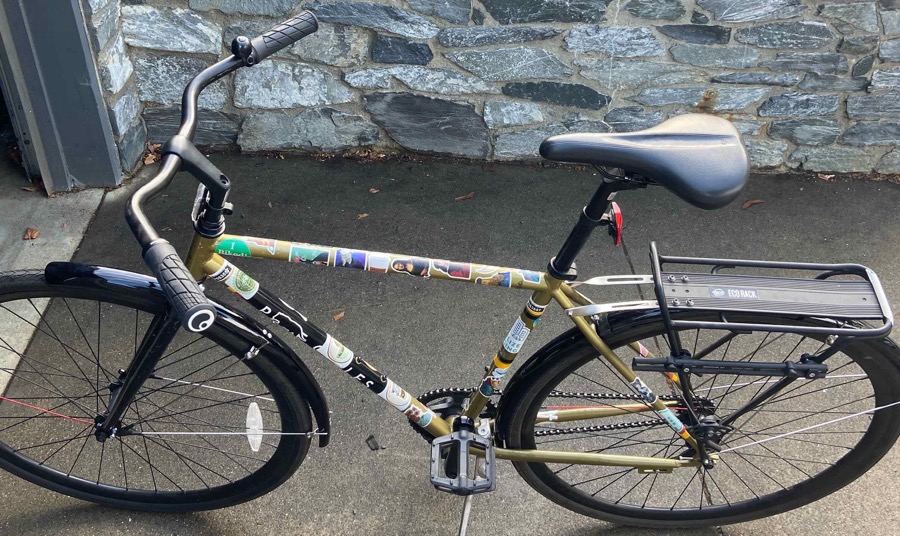
Racks can be added to the front or the back of your bicycle, above the front or the back wheels.
A rear rack offers a metal platform above the back wheel that turns your bike into a low-profile truck:
You can use a simple bungee cord to carry items atop the rack:
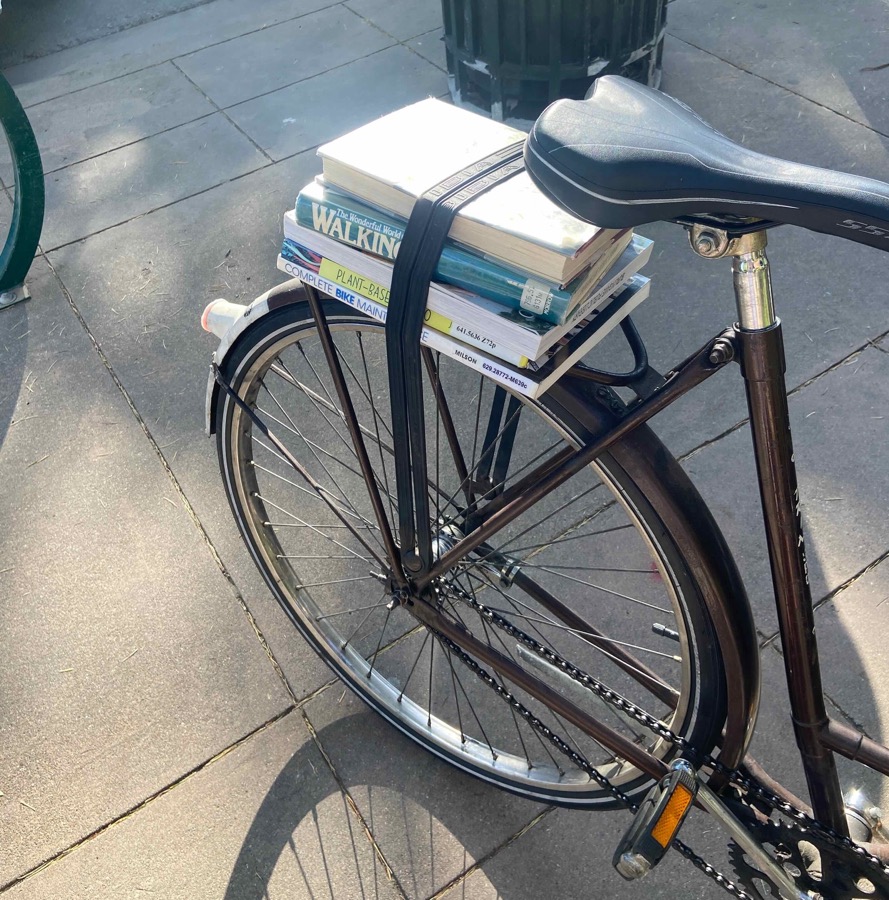
Round objects roll and tall objects tip, so you learn quickly what does not work.
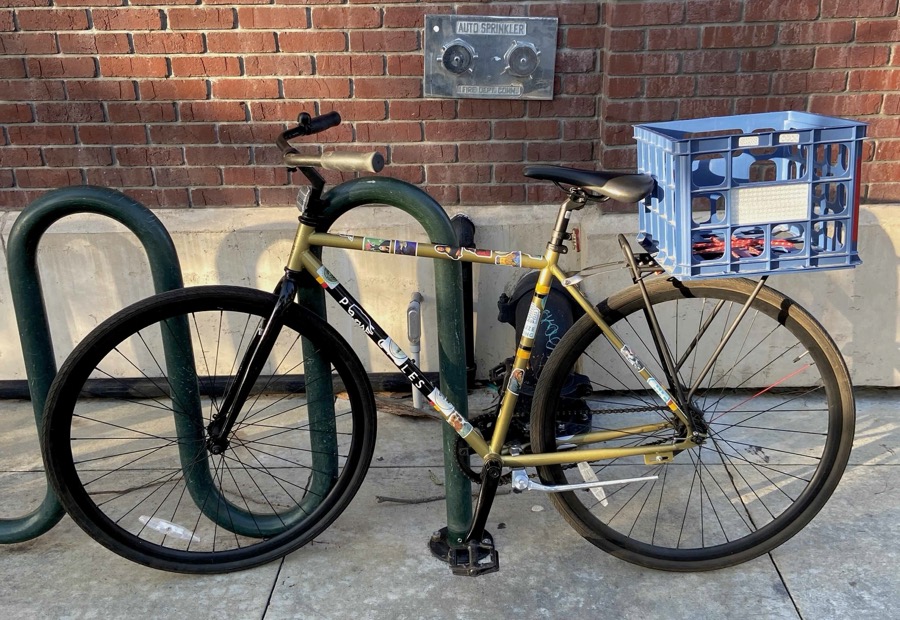
A crate can be zip-tied or bungeed (multiple times) to the rack and is cheap, durable, and holds an extraordinary amount: bags of groceries, a six-pack, a bag of dog food.
It looks DIY because it is, and it works perfectly:
Panniers, also known as “saddlebags”, hang off each side of the rear rack, and are the most powerful tool:
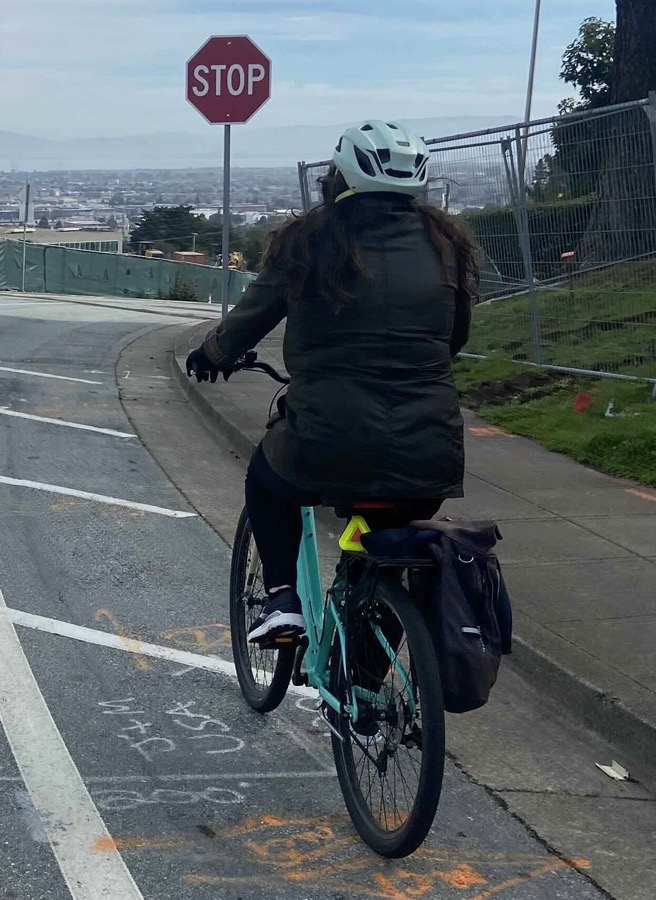
A pair of panniers on either side of your bike gives you 40 liters of enclosed, weather-proof carrying capacity. That’s roughly equivalent to two large backpacks, and unlike a backpack they hang low for excellent balance and off your back so you do not get sweaty. Panniers double as grocery bags since you can detach them from your bike and carry them into the store.
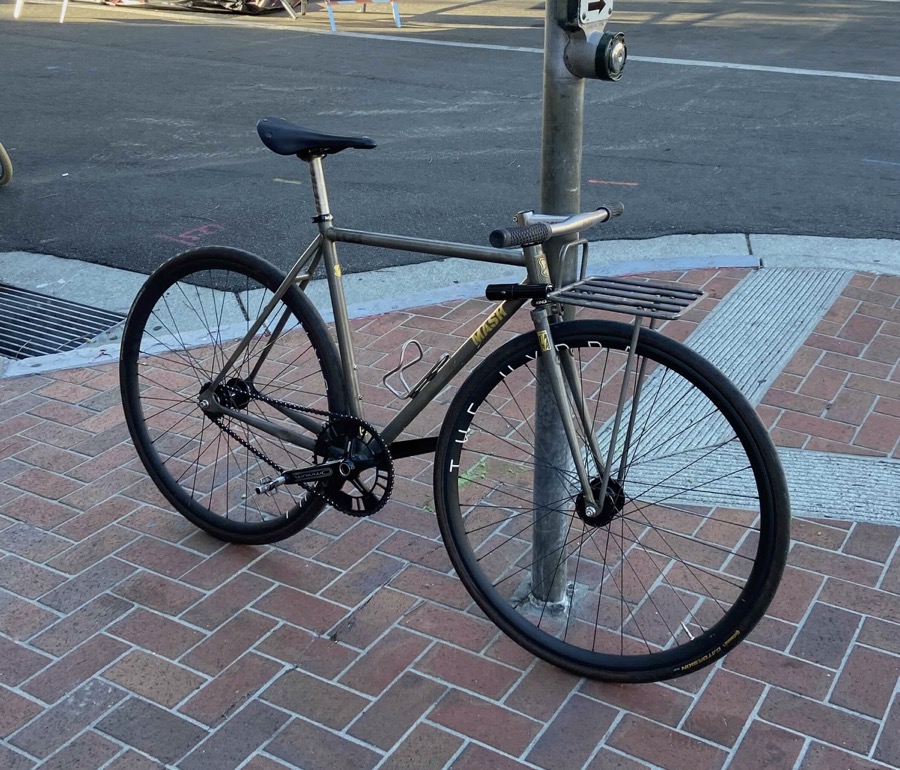
We don’t want to forget the front-rack, which also can be used with bungee cords, combined with a backpack or messenger bag:
Carrying a child
This is where a lot of parents assume the car becomes mandatory. It doesn’t.
A rear child seat mounts to the rack and holds a child from roughly the time they can sit independently — around 9 to 12 months — until they hit the seat’s weight limit, typically 40 to 48 pounds. They attach in minutes and leave your hands on the bars.
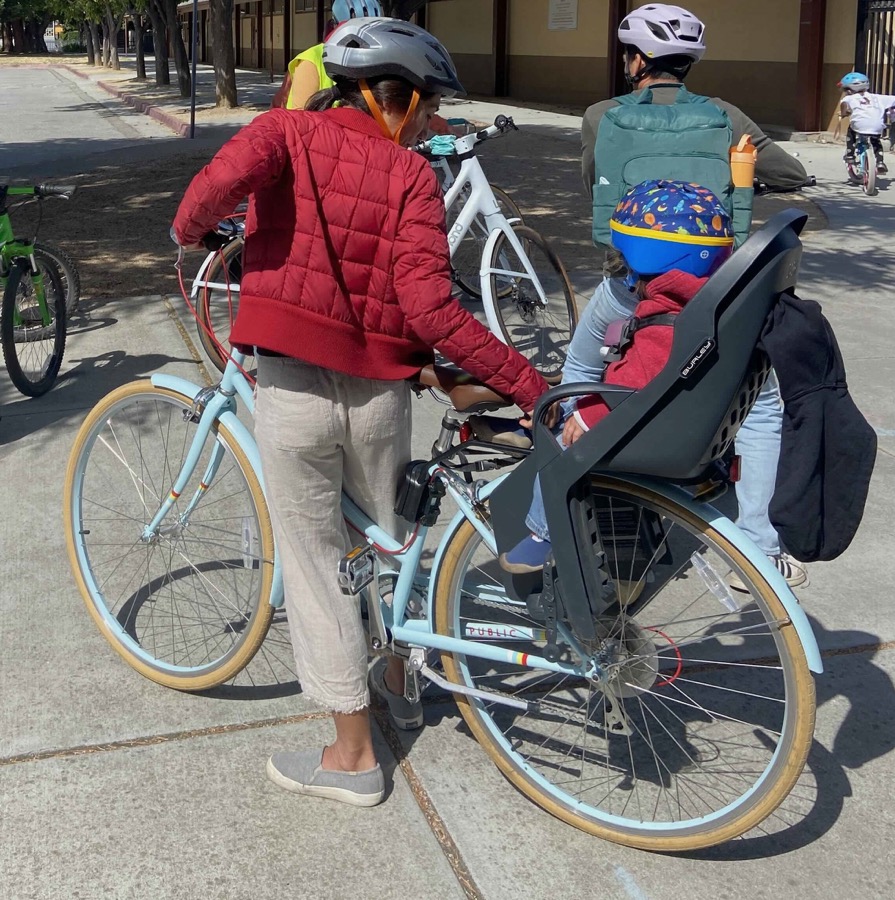
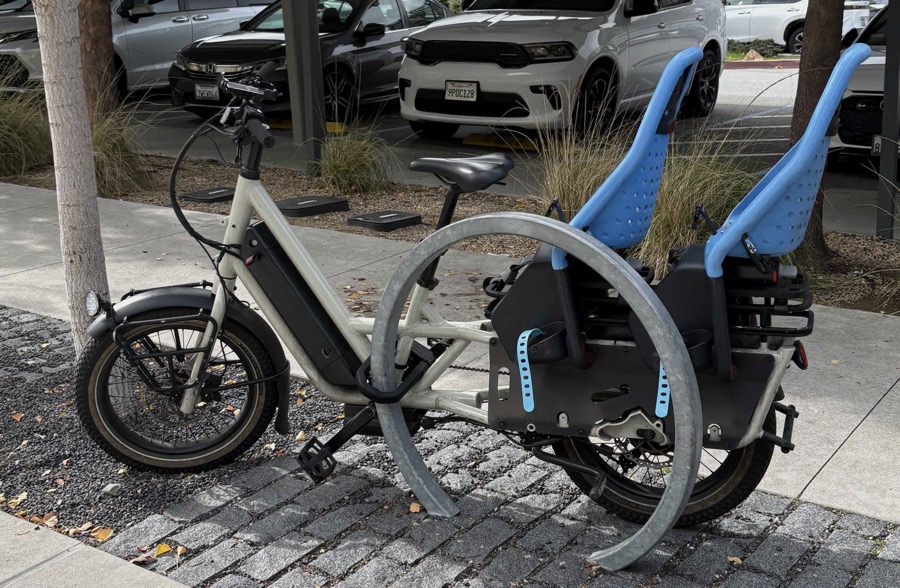
Rear child seats can even be doubled:
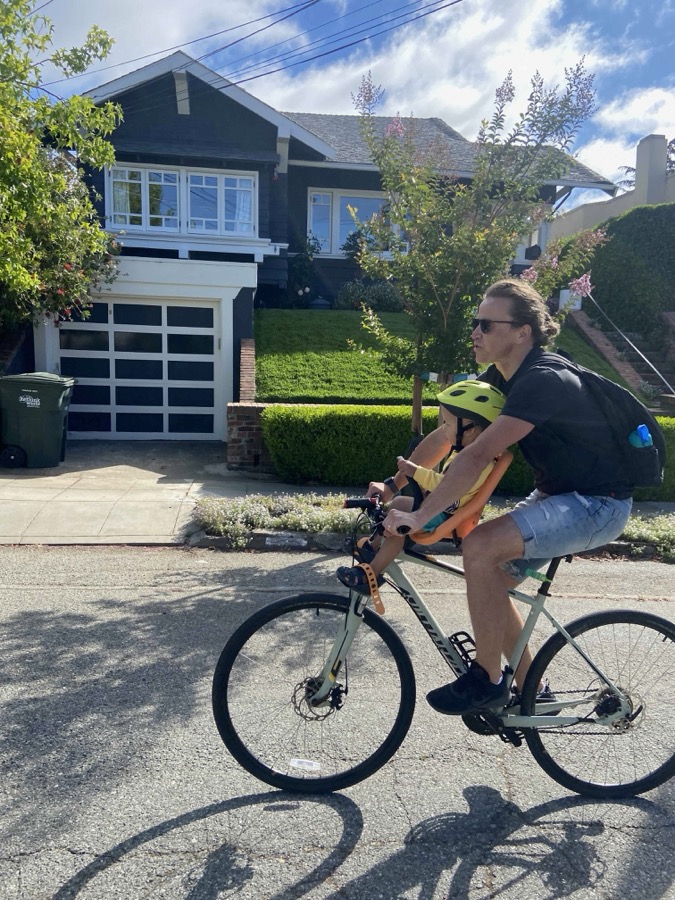
A front-mounted seat attaches to the frame between the bars and your body, with the child facing forward. You can see them and talk to them throughout the ride. The weight limit is lower and some riders find the proximity to the handlebars takes getting used to.
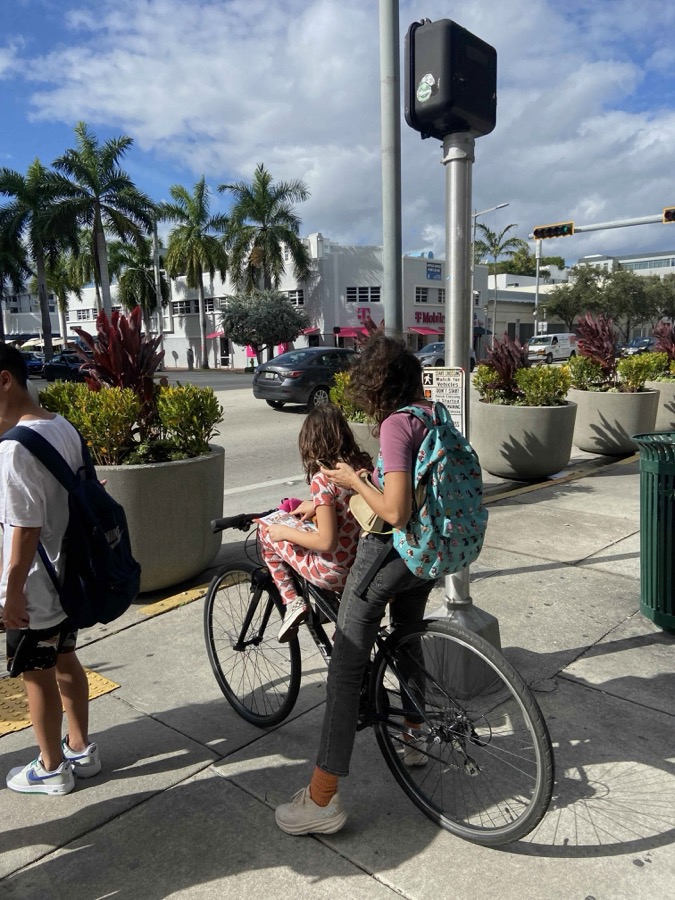
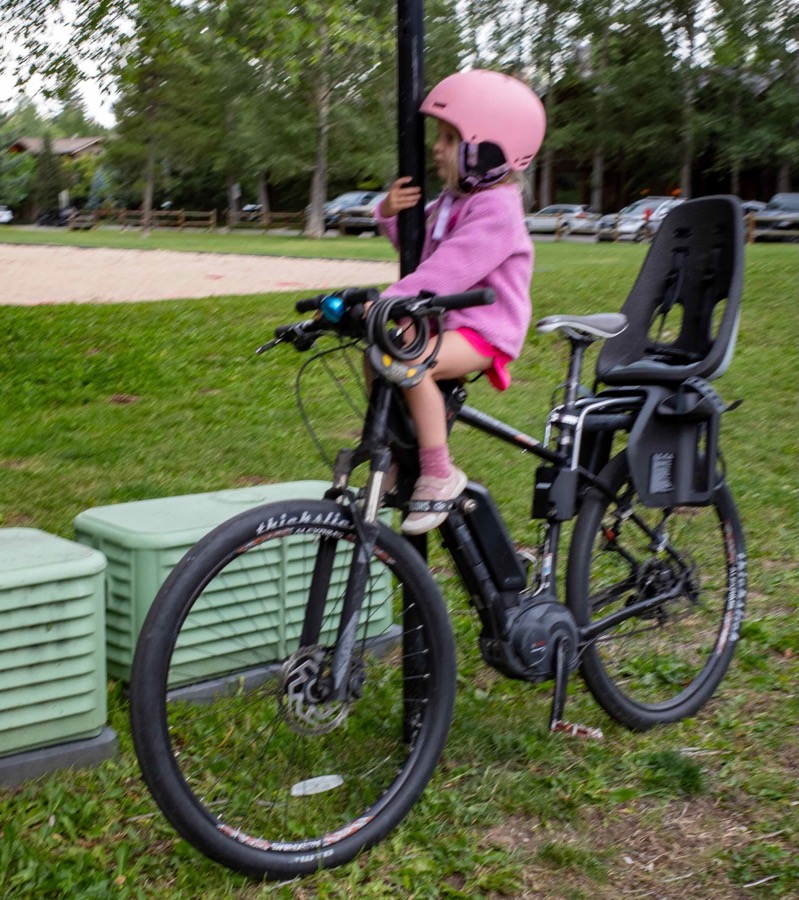
This bike has both:
Neither setup requires a special bike — just a bike with the right mounting points for the seat you choose. Check compatibility before buying.
A note on cargo bikes
Cargo bikes — longtails, box bikes, bakfiets — exist to take all of this further: multiple children at once, a full week of groceries, lumber from the hardware store. But they’re a different post. Everything above works on the bike you probably already own.
These bikes are designed to be “super bikes”–carrying well beyond the traditional bicycle:
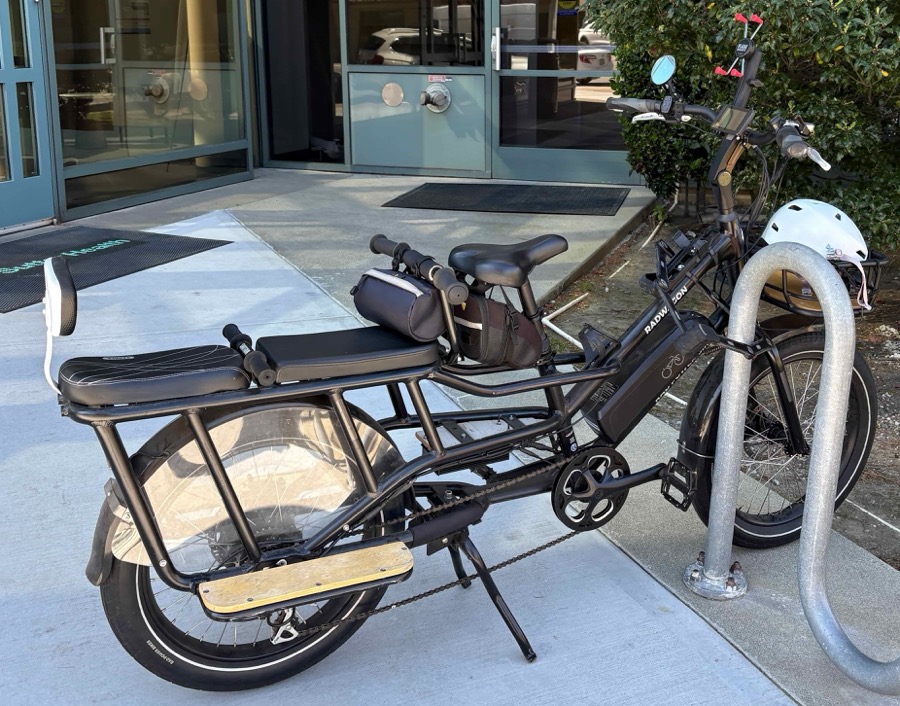
Like I said at the beginning: you do not need to buy a new bicycle to carry things.
But browsing cargo bikes online (or seeing them in-person) can be a mind-expanding exercise.
The barrier is the first trip
The biggest shift of all is mental: trips that feel “car-shaped” can be performed as trips by bike.
The first time you ride home from the grocery store with groceries, the mental model updates permanently.
You already know how to ride, the rest is just hardware!
Enjoyed this post? Get new posts via email