Essay · CALTRAIN
Downtown San Mateo Is a Monument to Insider Self-Dealing

In 1862, the San Francisco & San Jose Rail Road needed to decide where to cross San Mateo Creek as it laid train tracks down the Peninsula. The decision was not made by an engineer; it was made by a real estate speculator who had already bought the land he wanted the railroad to run through.
That speculator was Charles Polhemus.
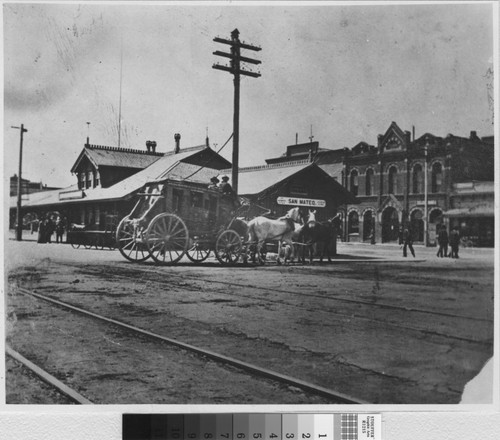
Polhemus joined the San Francisco–San Jose railroad board in 1860. He had already purchased a tract of San Mateo land anticipating the railroad would have to come through it. In 1862, with Polhemus running railroad construction, he commissioned a surveyor to plat the town of San Mateo at the exact point where the right-of-way crossed the creek. Conveniently, that point was the middle of his own holdings.
The first building near the new tracks was the train station; downtown coalesced around it, precisely where a railroad director happened to own land.
Transit is a real estate business
Transit produces value but doesn’t capture it. A train station turns nearby parcels into front-row seats on the most expensive amenity a city can offer: convenient access to a regional labor market. That value accrues most directly to whoever owns the dirt within walking distance — in the US that’s typically not the transit agency, not the riders, and not the taxpayers who paid for it. Just the landowners.
Once you see this, patterns snap into focus:
- Transit alignment decisions turn into knife fights because the alignment determines who gets rich.
- Stations end up at locations suboptimal for service quality because the people deciding the locations own land.
- Freeways are politically easier to build than rail because they spread their value across millions of car owners, while a transit project concentrates value on a handful of parcels — and concentrated benefits attract concentrated lobbying.
The Polhemus episode is the unvarnished version: one board member capturing the entire uplift because the rules hadn’t yet figured out he shouldn’t. Modern transit planning has procedural guardrails — environmental review, public hearings, competing engineering criteria — but the underlying dynamic is unchanged. Transportation is a real estate business with a transportation department attached.
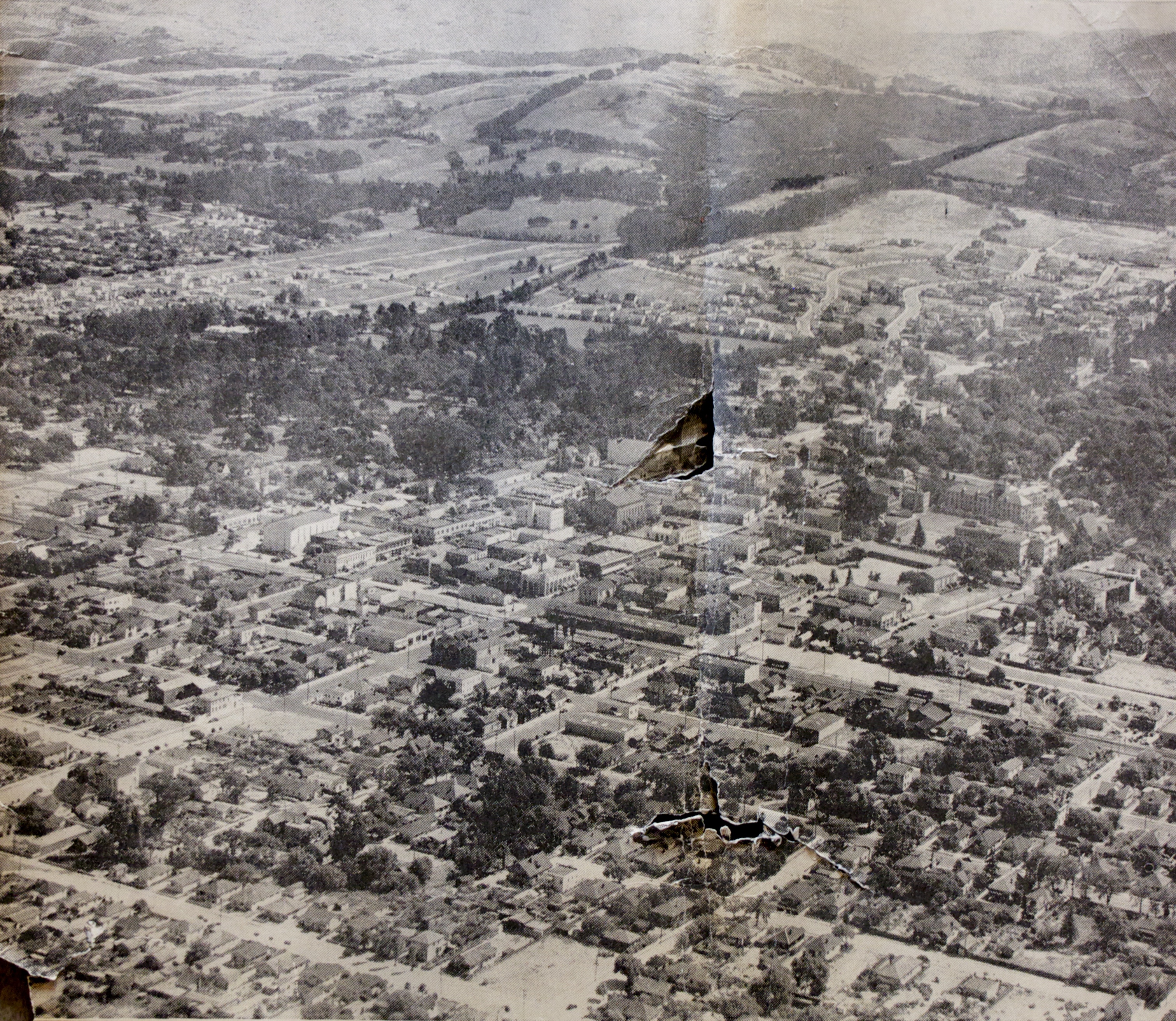
Who actually benefits from Caltrain in 2026?
164 years later, Caltrain — the operational descendant of the SF&SJ — is staring at a projected $75M annual operating deficit starting in FY 2027. The state has loaned $590M to bridge the gap. The longer-term plan is SB 63, the Connect Bay Area Act, which puts a 14-year sales tax on the November 2026 ballot across five counties to fund regional transit.
A sales tax is regressive. The cost falls disproportionately on households who spend most of their income on taxable goods, and it’s paid by everyone who shops in the affected counties — whether or not they ever ride the train.
The people who benefit most from Caltrain’s continued existence are not the riders. They are the landowners within walking distance of every station. Their land is worth what it’s worth specifically because the train still runs. Killing Caltrain would cost a station-adjacent property owner more than it would cost the median rider. Riders can change modes; land can’t move.
So the proposal is: tax everyone, especially low-income residents, to preserve a service whose primary financial beneficiaries are owners of high-value land near stations.
If you wanted a funding instrument that captured value where the value actually goes, you’d tax land within each station’s catchment — a land value tax, a station-area assessment district, a vacancy tax on transit-adjacent parcels — with rates scaling by distance to the platform. Nobody is proposing this. Sales tax is what’s politically available.
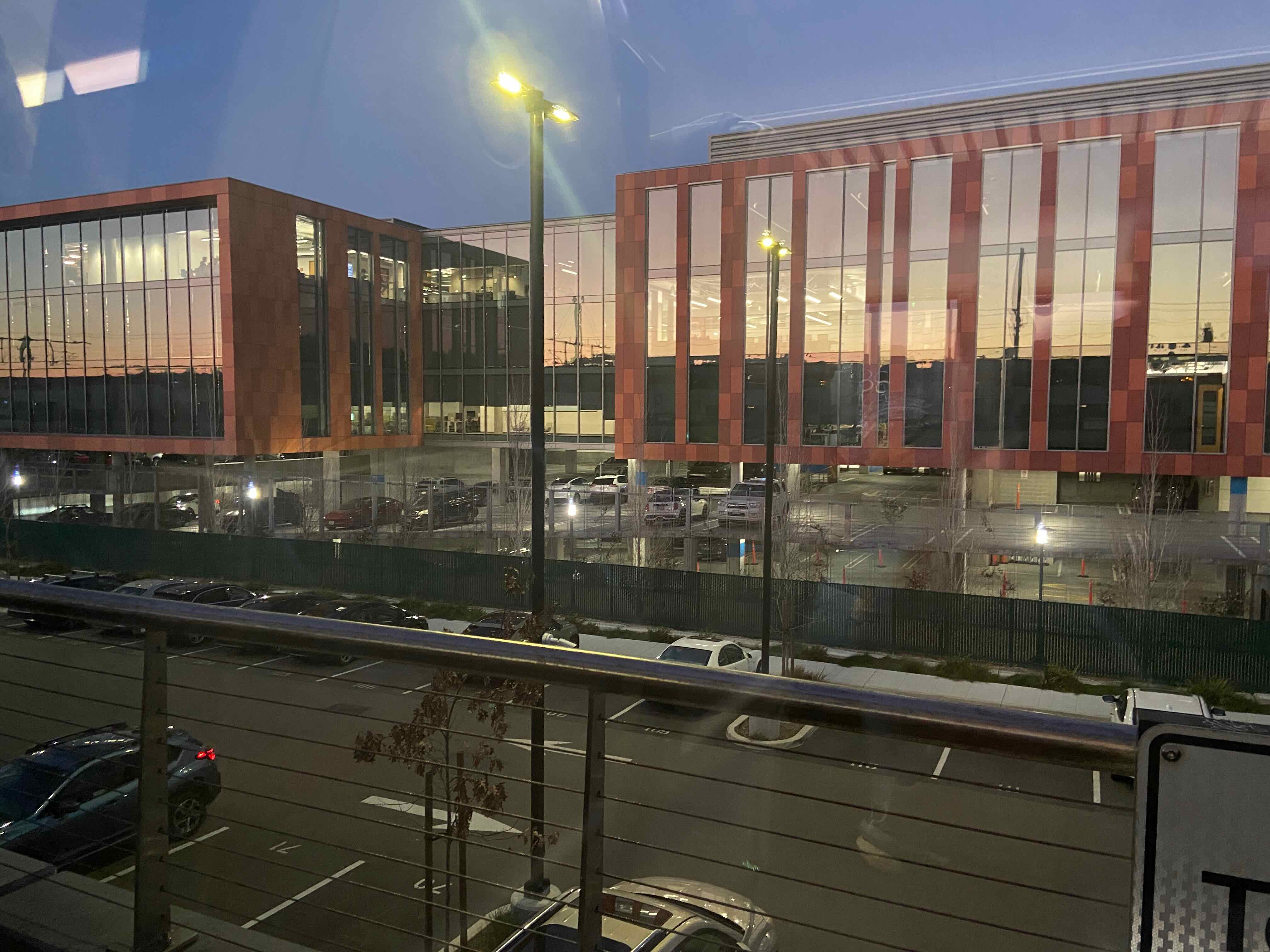
Why I’ll vote yes on SB 63 anyway
I’ll vote yes in November. I ride Caltrain. My family lives within walking distance of a station, and the land we own is worth what it’s worth in part because the train still runs.
It is a small miracle that passenger rail in this form has continued to operate here for 164 years. Most American cities lost their equivalents to the highway era. Ours didn’t, and our community is better for it.
The argument above isn’t that transit shouldn’t be funded. It’s that this particular instrument doesn’t ask the right people. The deeper reason the right people can’t be asked is that the half-mile around every station has been knee-capped for decades by NIMBY land use politics — held to a density too low to justify the kind of station-area assessment district that would actually capture the value transit creates.
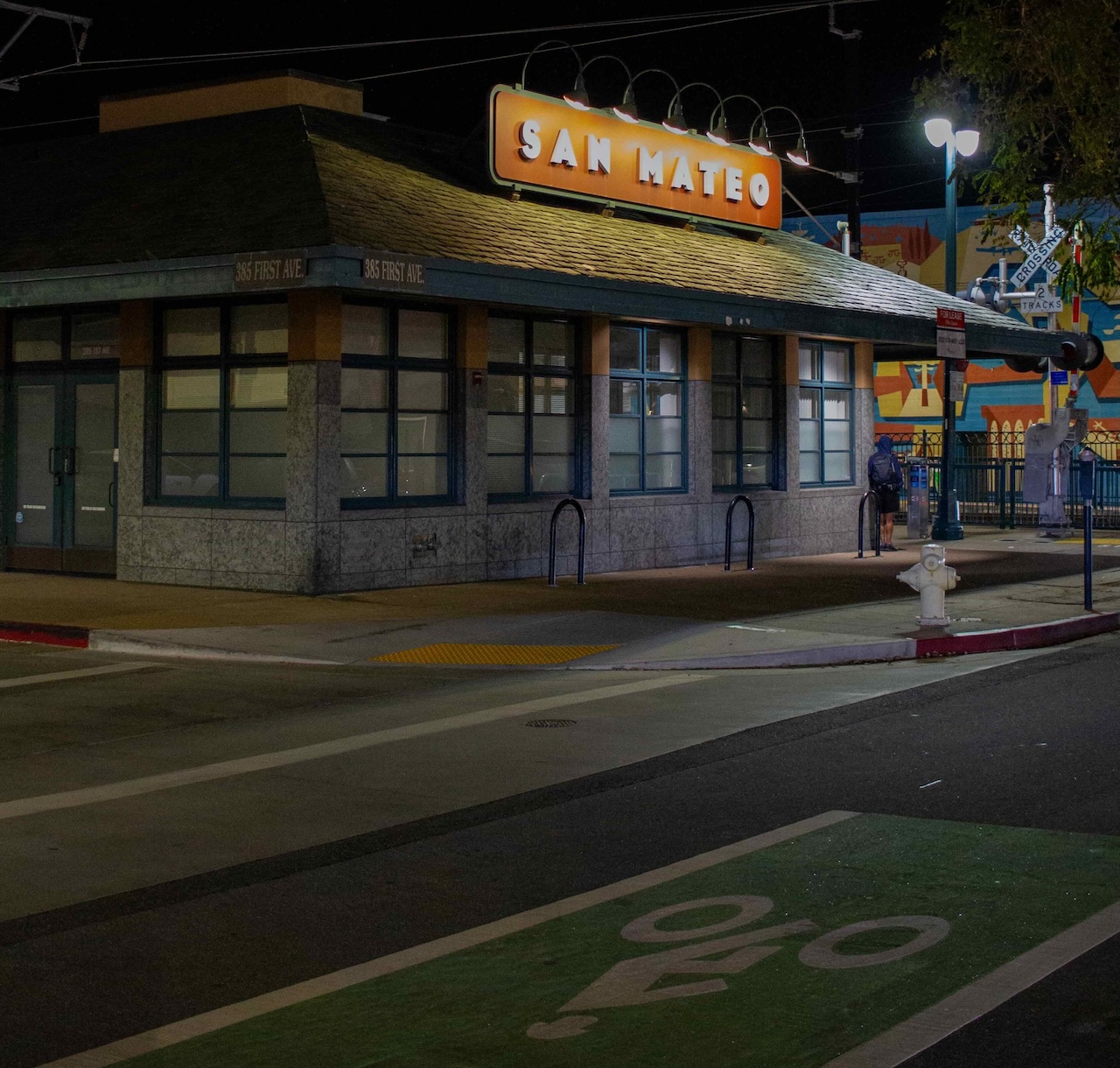
SB 79: value recapture through supply
One mechanism does something like value recapture, even if indirectly: letting more people benefit from station proximity by building more housing inside it.
SB 79, which Newsom signed last October and which takes effect July 1, 2026, upzones the half-mile radius around qualifying transit stops in eight urban transit counties — San Mateo among them. The half-mile around a Caltrain station has been worth a fortune for 164 years. SB 79 lets more housing exist inside that radius, so more people can pay to access the locational value of being near a station rather than concentrating it in whoever already holds title.
I built a map of every SB 79 upzoning zone around San Mateo’s train stations — the geography that, if the law functions as designed, will absorb a significant share of the next decade of housing growth on the Peninsula. It is a small geometric inheritance from Polhemus, drawn 164 years ago around the point where the tracks cross the creek.
Who benefits from supporting transit?
The honest answer is: the people who own the land near the stations.
They benefited in 1862 when Polhemus drew the plat around himself. They benefit in 2026 when sales tax revenue from minimum-wage workers props up the value of single-family lots near stations they may never use. They will benefit again in 2027 when SB 79 unlocks new construction in the half-mile around every stop — though at least in that case, some of the uplift gets shared with the people who move into the new housing.
The interesting question isn’t whether to keep transit running. Of course we should. The interesting question is whether we can finally adjust who pays for it and who lives near it, so that the value uplift transit produces accrues to more than just the heirs of Charles Polhemus.
Enjoyed this post? Get new posts via email