Essay
This is Where You Belong

Sorry, this blogpost is a book review.
But it was a really great read–and I read it cover-to-cover, which is very rare for me in my adulthood.
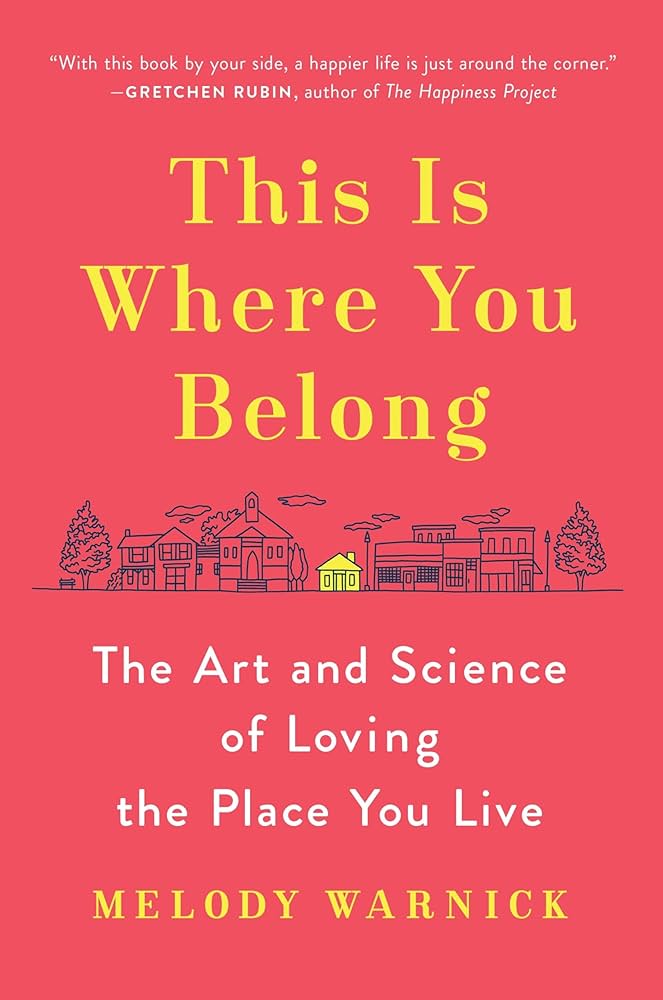
The book is called “This is Where You Belong” by Melody Warnick, and its contents fiercely resonated with me as I read it when my then-girlfriend and I were entering COVID-19 lockdown together.
COVID triggered a lot of lifestyle changes globally, and for our household it triggered deep reflections on where we should live. It seems like back then we would turn to each other every day and discuss where we should move to in this new era of work-from-anywhere.
I read this book as its title seemed to hit on the root question of our COVID-era conversations:
“Freed of labor market requirements, what makes a place somewhere where the two of us would choose to set roots together as a family?”
Let me give a brief run down of the book’s contents, and then I’ll leap to the conclusions I derived from reading it:
The introduction shares that Americans move more times in their lives than any other country in the world, and this physical mobility and willingness to uproot social ties to go rebuild new ones is a cultural strength and weakness.
Each chapter prescribes a specific exercise to the reader about how to explore a place and to develop a feeling of “belonging” in that place.
While I had picked up the book to help triage the list of cities that we could move to I came to realize that these exercises are not limited to picking a permanent residence. These are activities to help you fully embrace a place that you are visiting at any stage of life. I’ve practiced these exercises in small towns I’ve visited for weddings, far flung work trips, and visiting family members where they live around the US and world.
Some of these exercises:
- Walk more – moving at the speed of a human opens you to immensely more social opportunities than driving.
- Share a meal with a neighbor – you’d be shocked at how happily willing your neighbors are to do this, whether potluck, picnic or dining out.
- Patronize local businesses - even if you don’t like their inventory or prices at first glance, spending money locally pays staggering dividends for your community’s wellbeing. This includes employing workers who live near you and generating local tax revenues that directly fund your community’s public amenities. Alongside driving less, this is arguably this single greatest power you have as an individual to improve your community.
- Volunteer – it’s a great way to meet your neighbors and deepen shared values, while also being an informal opportunity to get to know other people’s lives.
- Get involved with politics – this one can be very toxic, but familiarizing yourself with the political challenges your community faces deepens your connection with the place’s social fabric.
- Read the local news – new business openings/closures, local sports, crime blotter, it all serves to educate you about things that impact your life more than national or international news might. You can read my own letters to the local editor here.
- Learn local history – this shared context about history helps you understand why things are the way they are, what’s been tried before, and what might be possible!
I am entirely reciting these from memory, so I may have missed a few or even gotten them wrong.
Reading the book did not result in a radical relocation for us. My then-girlfriend/now-wife and I did move but it was about 3 miles away, and we have stayed put for 5 yearssince then, putting us near a decade in the same city.
While I picked the book to help choose where to live it is not about that at all. It does not matter where you are, these exercises will deepen your connection with a place no matter your relationship with it or how much time you have spent there.
Some videos I recorded with my neighbors, inspired by the book:
Enjoyed this post? Get new posts via email