Essay · MOBILITY
Aspen visit

This past week I spent in Aspen, Colorado–an ultra-expensive alpine town.
I have done so a number of times to visit with family.
The city’s population is ~7,000 according to the 2020 census.
Notably, the population balloons by 77% to ~12,000 during the daytime, due to an absence of housing inventory and a migratory workforce.
These facts and figures matter to me as I am fascinated at the functioning of an extremely wealthy community as it manages a labor force via transportation infrastructure in the absence of housing infrastructure.
This toxic pattern is familiar to me from my native San Francisco Bay Area!
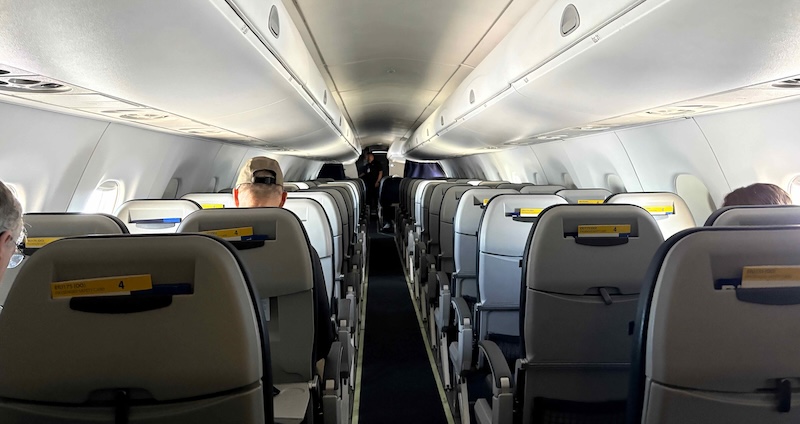
We flew with our son for the first time. It went shockingly easily, helped along by a nearly empty direct flight:
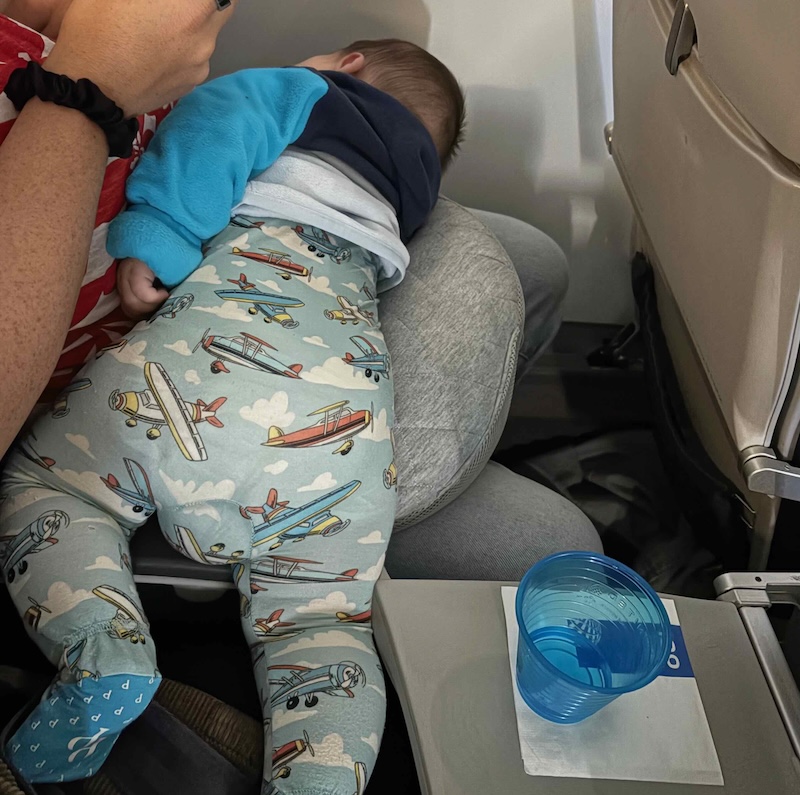
We landed the morning of the 4th of July. The free in-town buses were swamped and hard to board with our luggage. This is the same bus network that carries the workforce, but on a holiday it chokes on tourists.
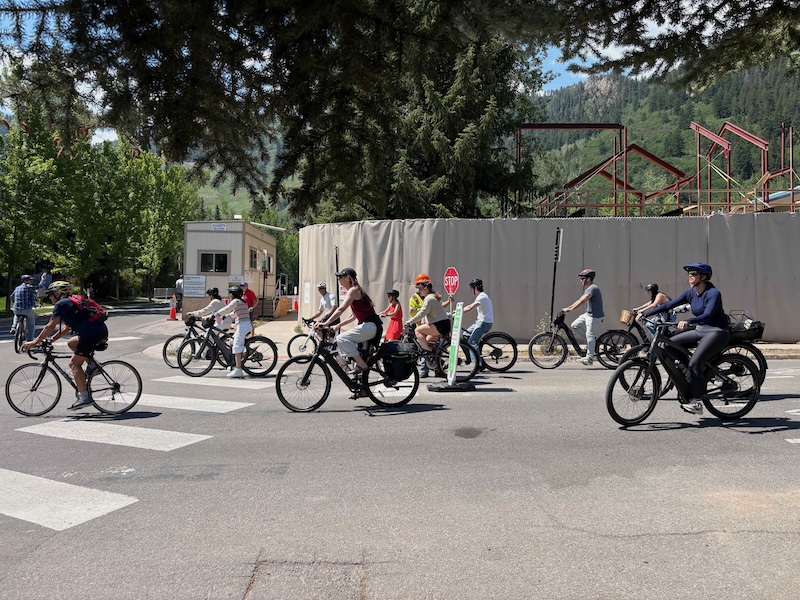
We made the parade, and watched an immense number of people arrive by bicycle:
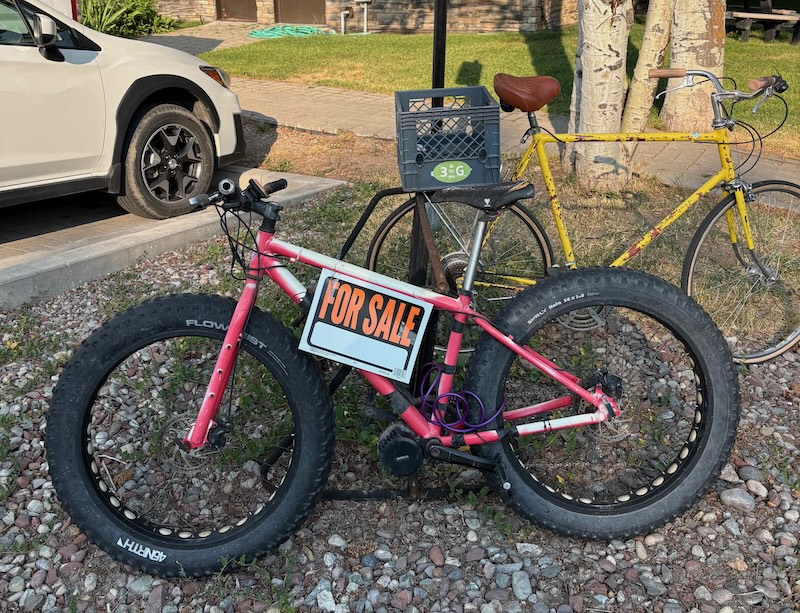
I noted a Bafang-motor fat-tire e-bike for sale, with no price and no phone number posted:
On my way to work remotely at the library, I passed a book for sale at the pharmacy cash register:
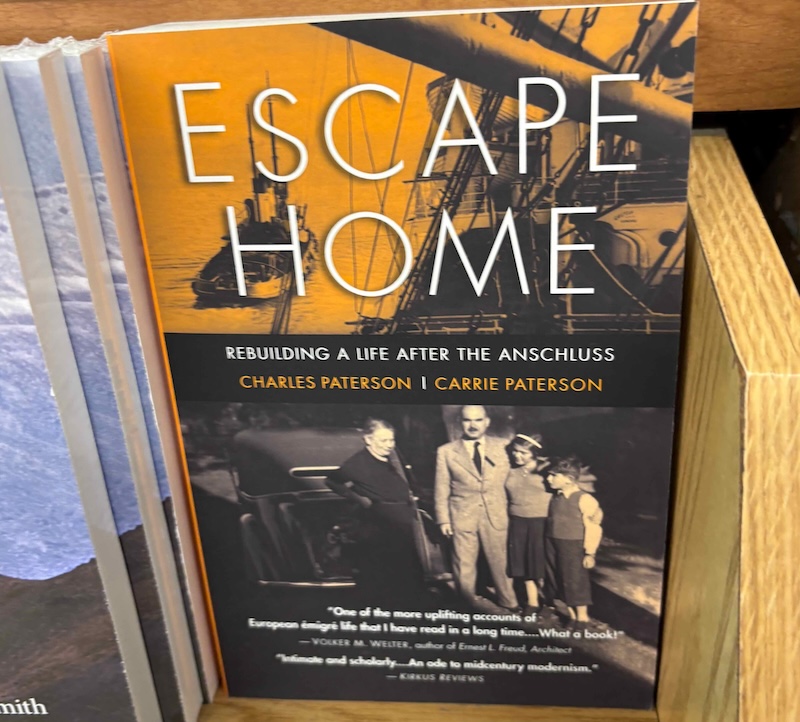
It’s called Escape Home, about an Austrian Jew who fled the Nazis and, like my family, started over after the war, though this one settled in Aspen. He escaped occupied France on foot and bicycle, reunited with his children after eight years apart, and became a high school language teacher in the young ski town. I didn’t expect to find a version of my own family’s history for sale in Aspen.
At the library the wifi turned out too flaky to work on, so I abandoned the laptop and browsed the stacks instead.
I picked up a book on the transcontinental railroad build-out, focused on the rivalry between St. Louis and Chicago. I hadn’t known the build-out ran straight through the slavery fight, or that it decided which of the two cities won:
The dollars required to build a railroad line west from Saint Louis or Chicago came in large measure from New England money lenders, all of whom were certain that slavery was wrong… Many of the same affluent families had provided money to build early railroads across the Midwest, but after the Kansas-Nebraska firestorm in 1854, they redirected their investments from slaveholding Missouri and metropolitan Saint Louis to Chicago in the slavery-free state of Illinois.
…As late as 1850, Saint Louis still handled twice as much wheat and flour as Chicago. But within five years, Chicago had surpassed Saint Louis.
This is the pattern that interests me. The railroad came first and the growth followed it–Chicago grew because it got the tracks, not the other way around. Aspen has the transportation but won’t build the housing to match, so that growth never arrives.
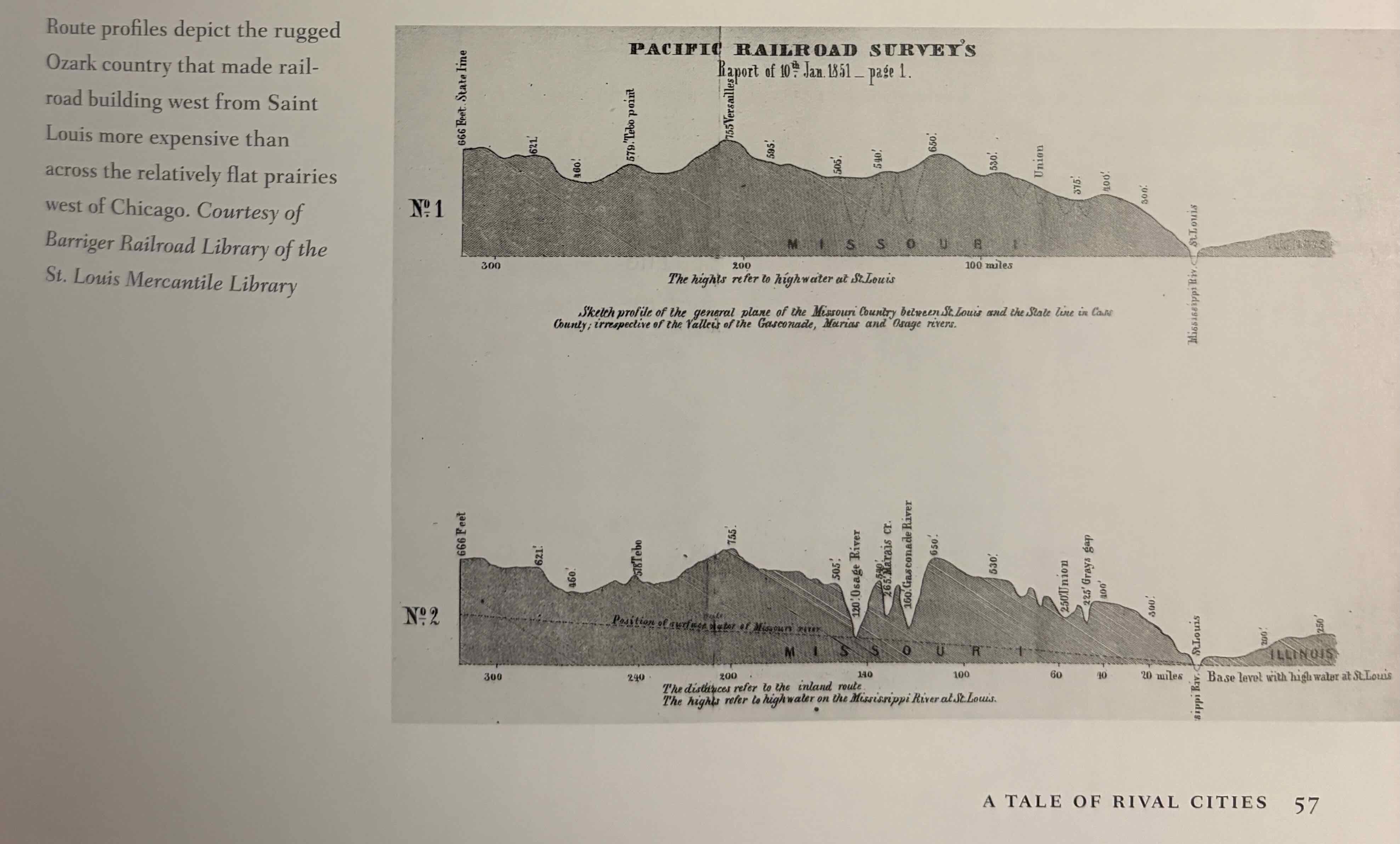
The book was good on how expensive surveying and planning a route could be:
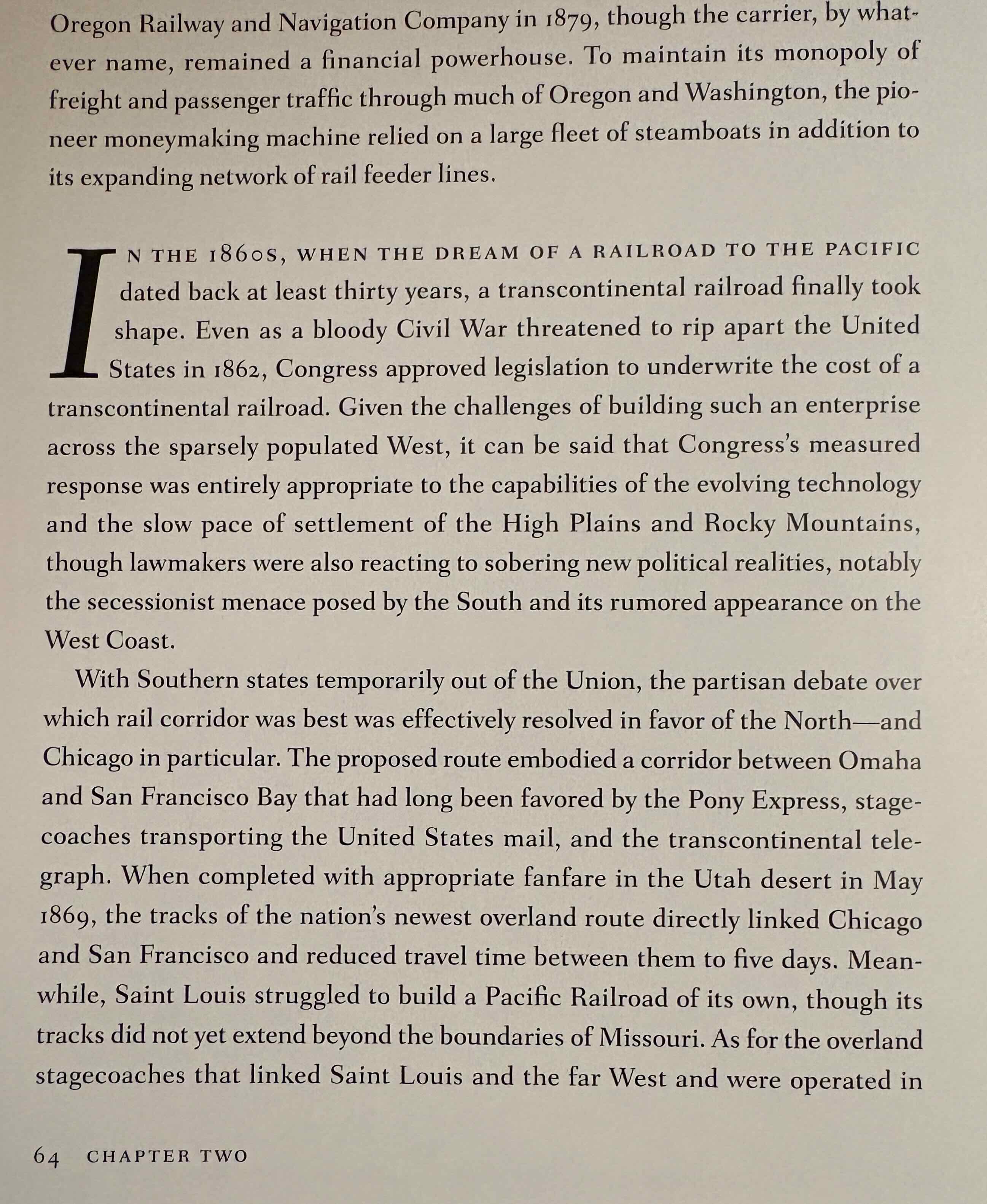
One passage tied Chicago back to my own San Francisco, along the route that’s now Amtrak’s California Zephyr:
My wife and I had talked about taking the Zephyr out here instead of flying. It’s about 24 hours from Oakland to Glenwood Springs, then an hour by bus to Aspen. We decided against it, for the time and the unknowns of doing it with a baby.
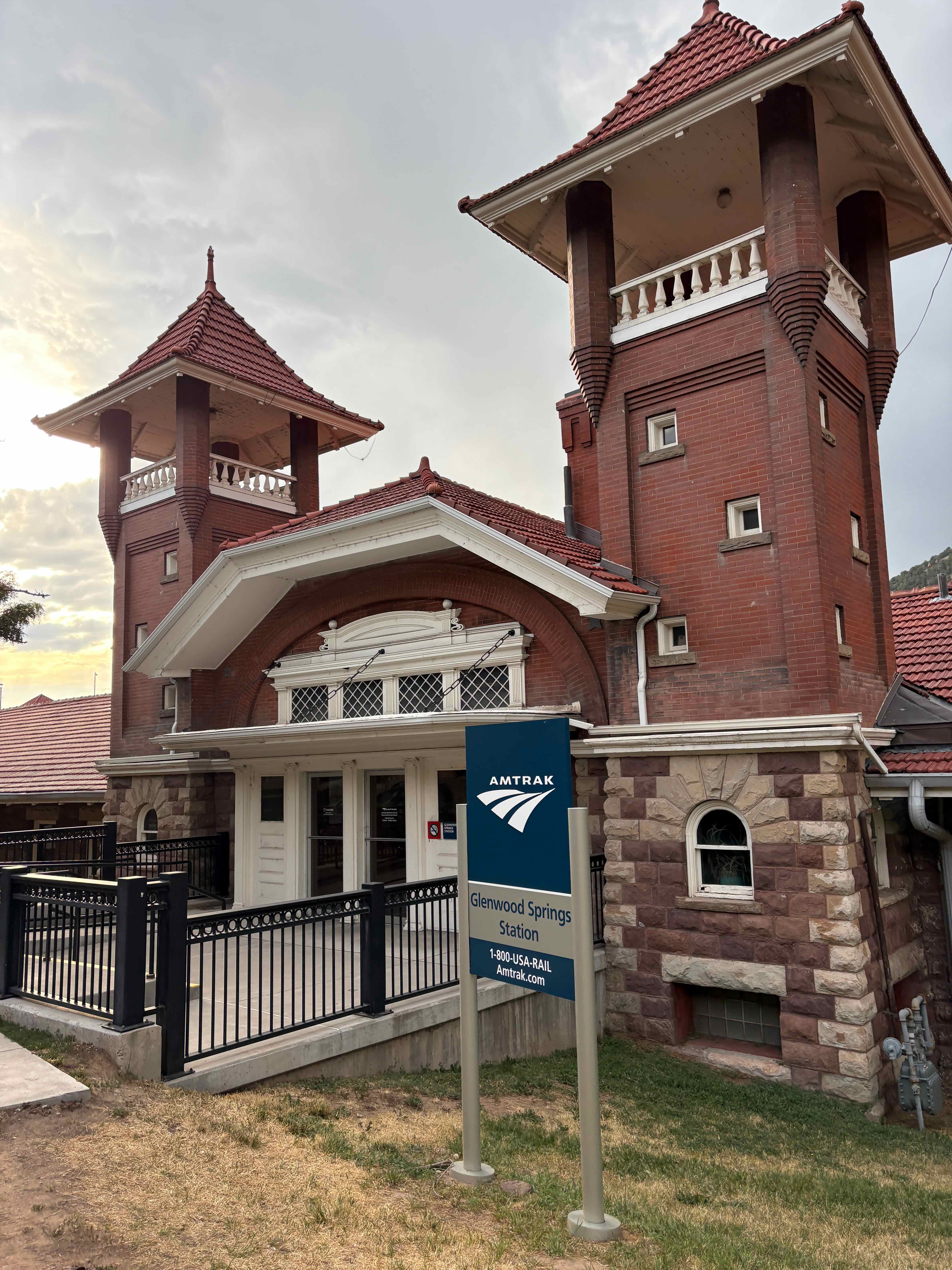
We did, though, take the bus from Aspen to Glenwood Springs, and caught a glimpse of their Amtrak station:
The ride runs from mountains to plains to river:
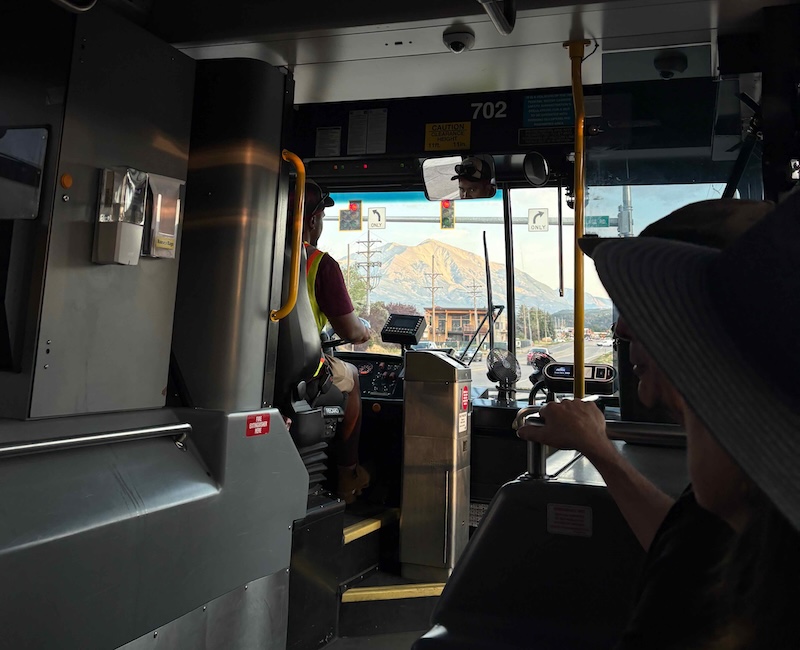
It wasn’t free, but it was comfortable and cost $3.75 for an adult.
The free in-town buses that choke on tourists and the smooth $3.75 regional coach are two halves of a whole: the thing that lets Aspen work without housing its workers.
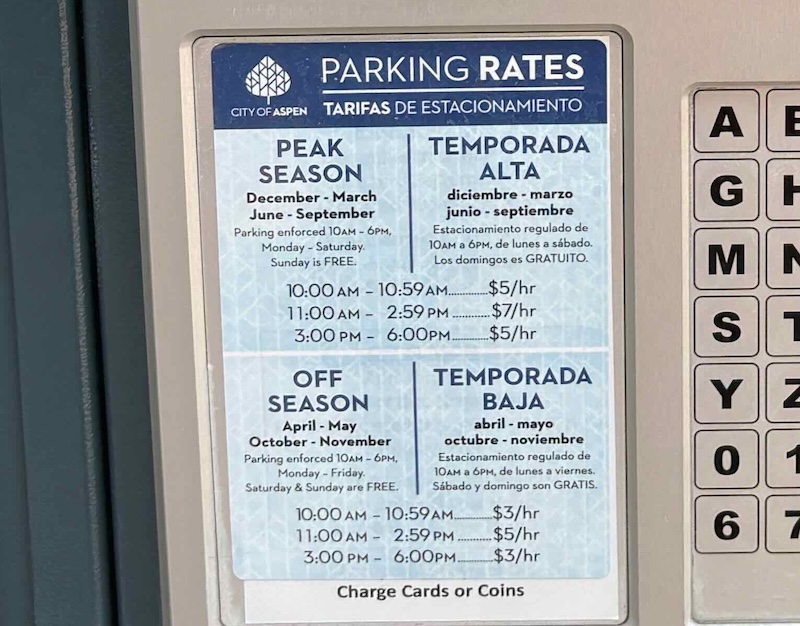
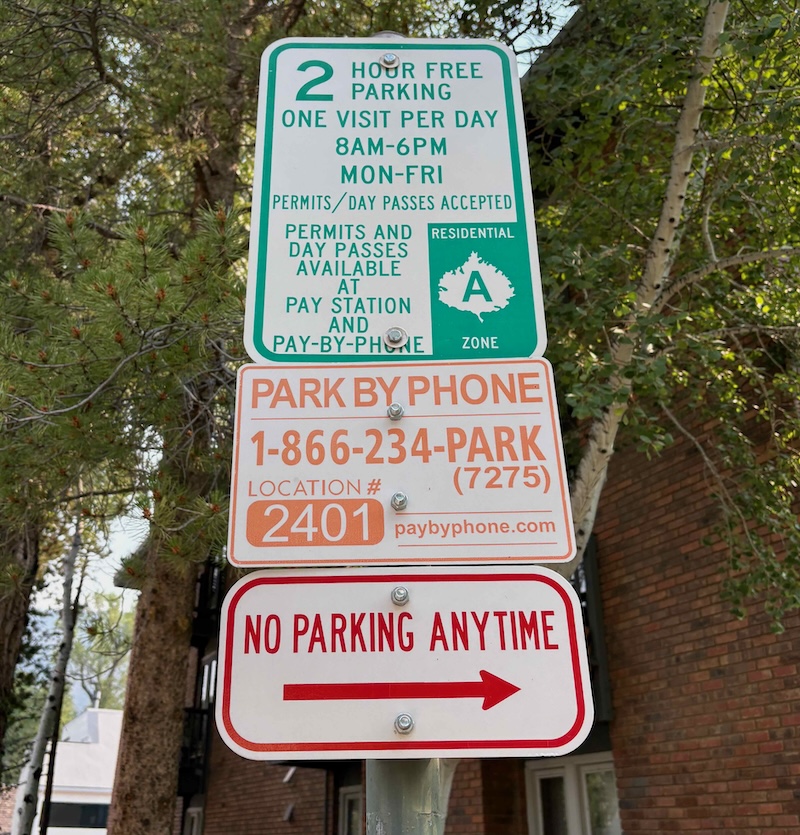
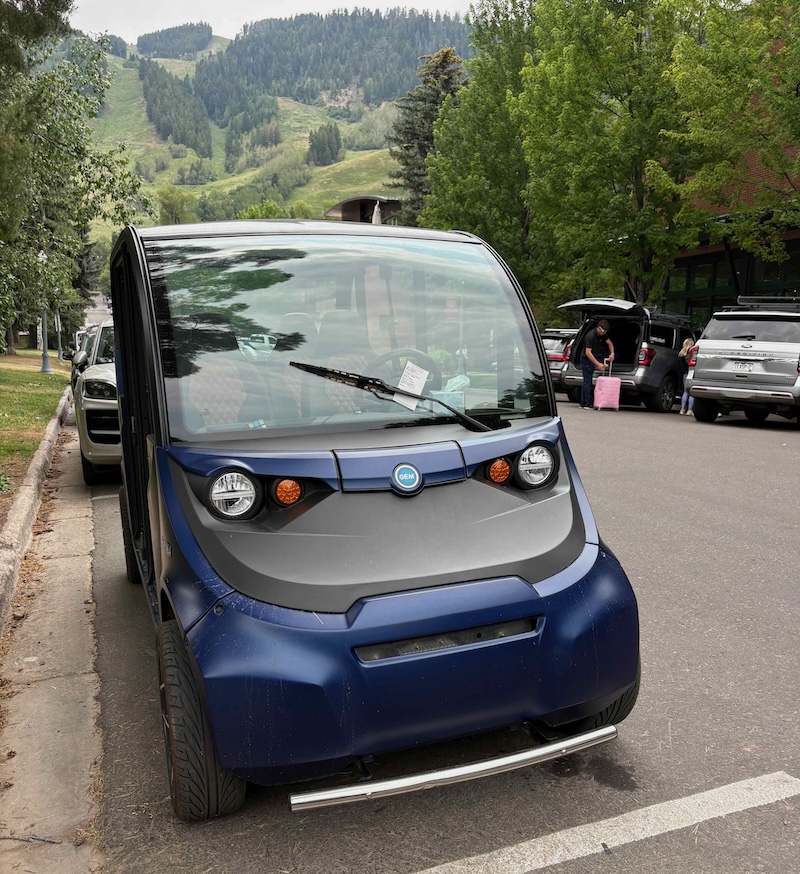
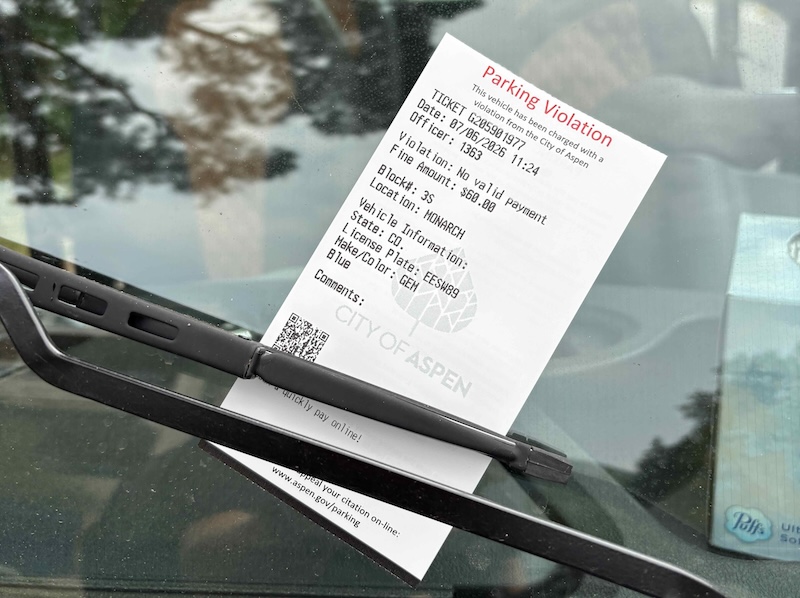
The town controls the rest of its space just as tightly. Parking is heavily regulated, monitored, and enforced:
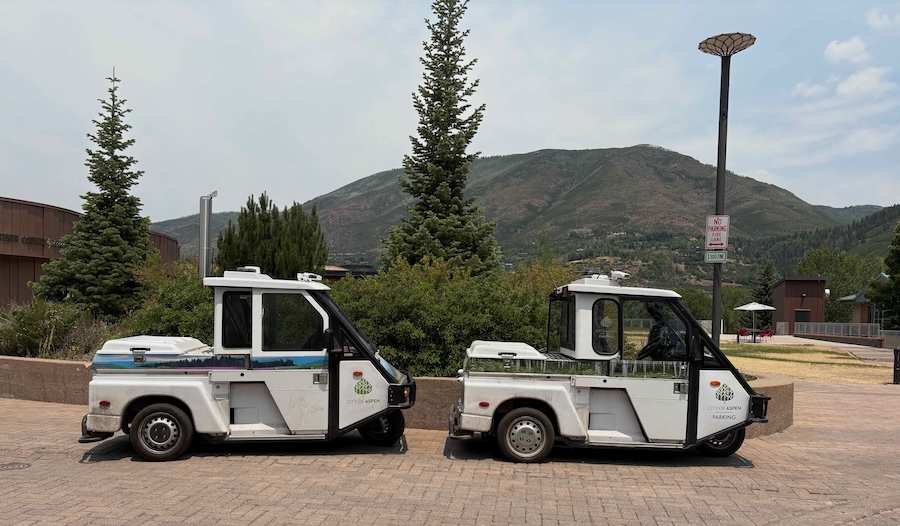
Golf carts get no quarter:
I noticed some street sleeping, which is technically illegal and happens anyway:
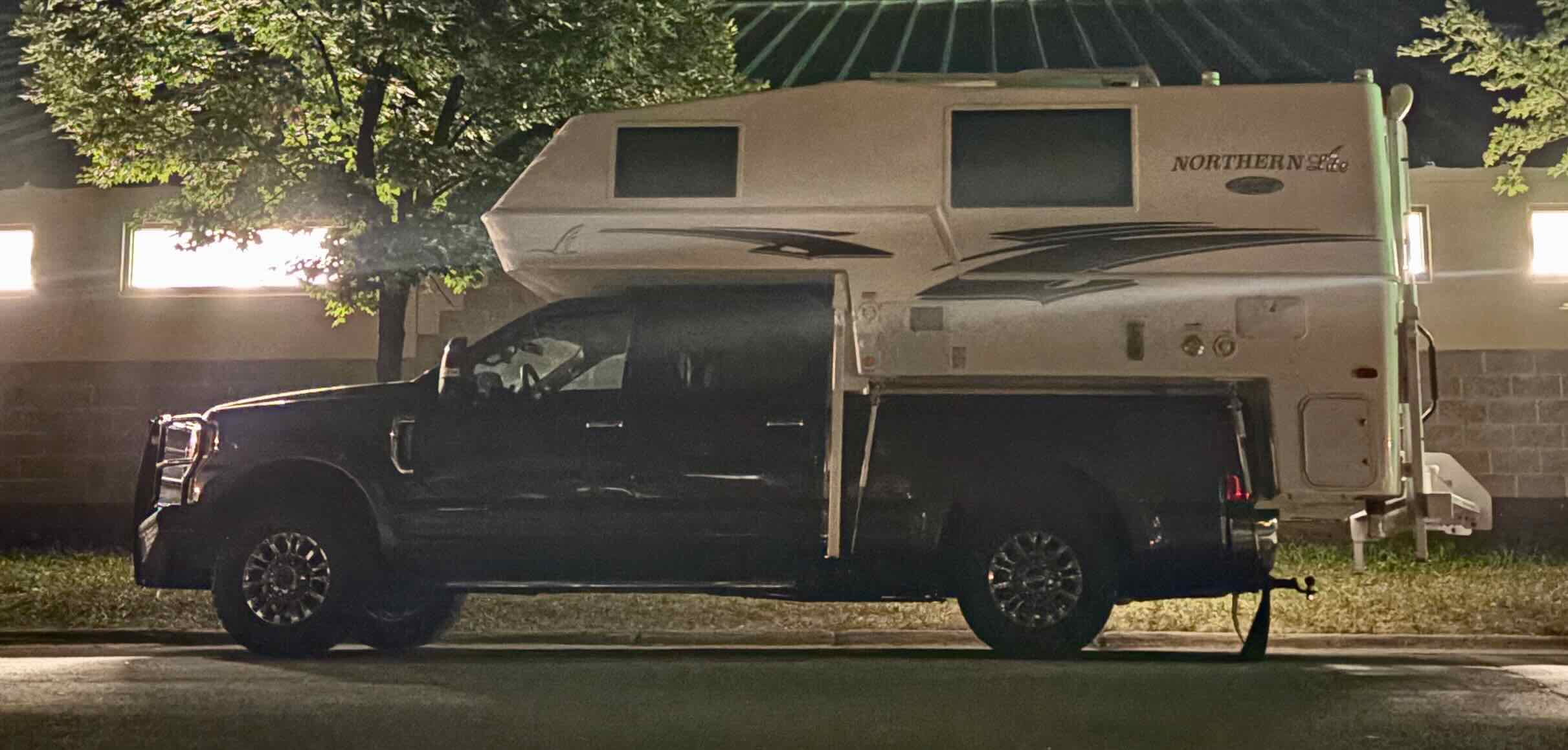
A town that meters its curbs this precisely has been far less precise about housing the people who fill its jobs.
Downtown has placemaking touches. Some resourceful lounge benches:
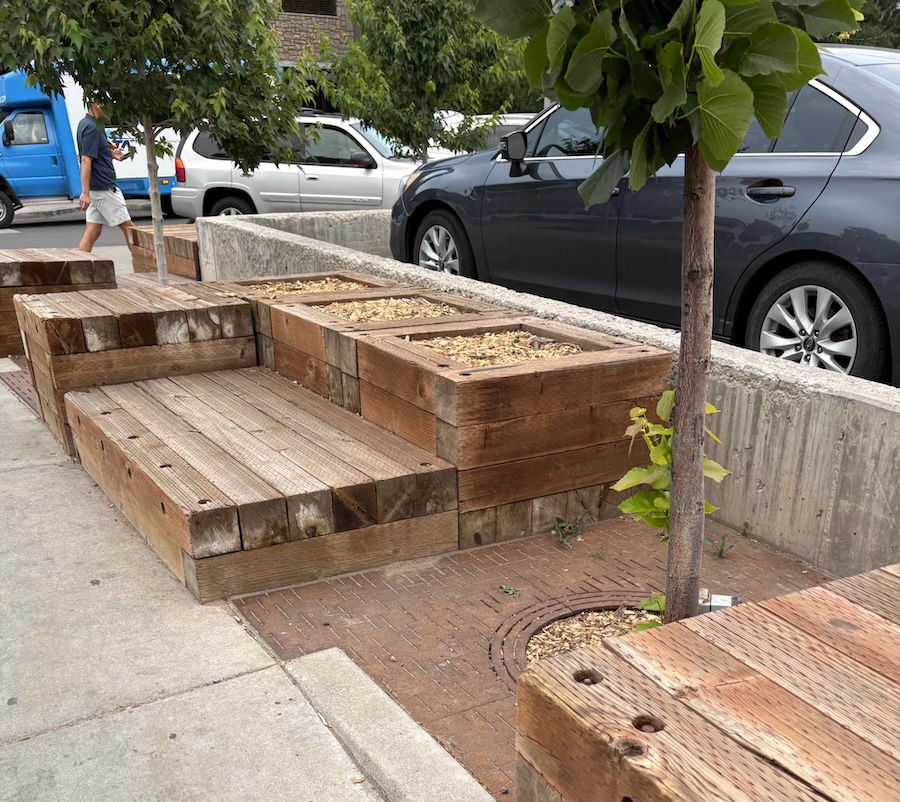
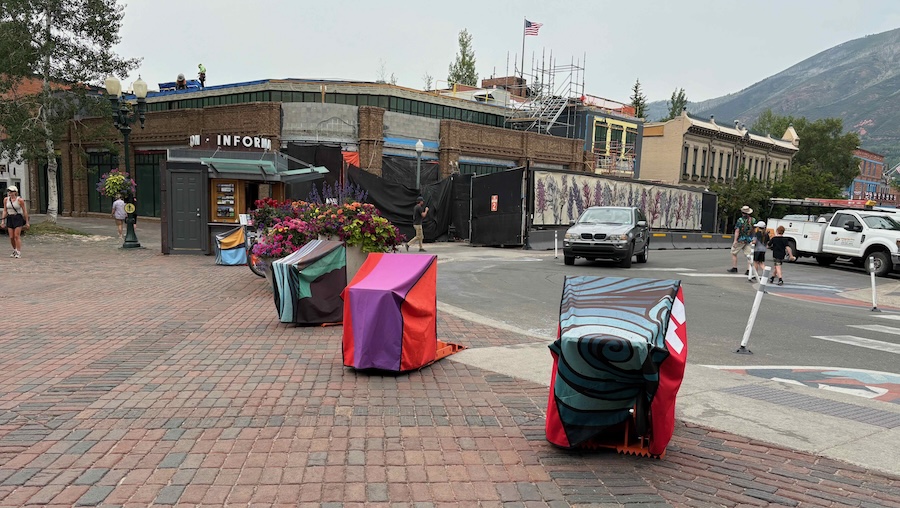
And some decorative, movable bollards:
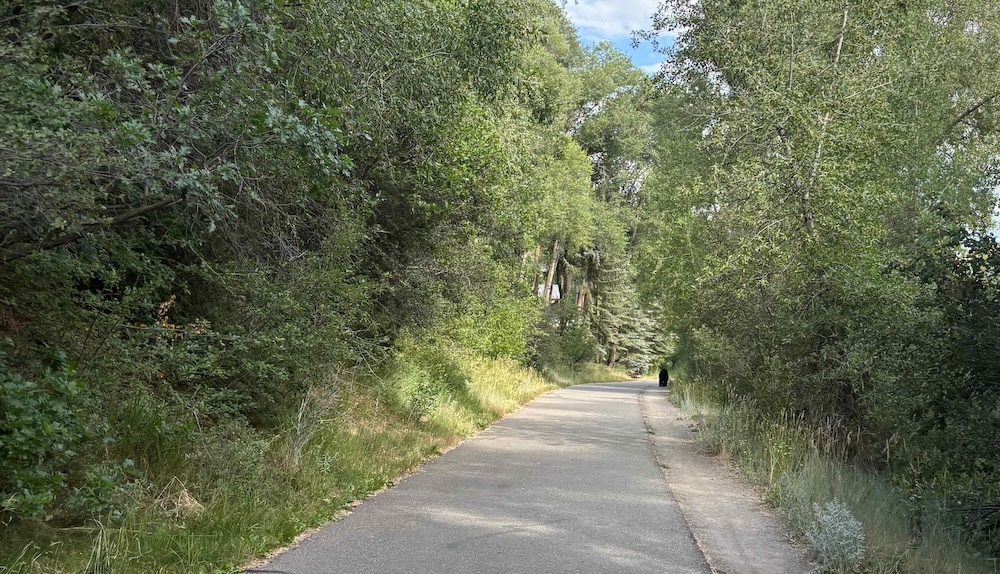
I got out running on the trails, only to encounter a black bear:
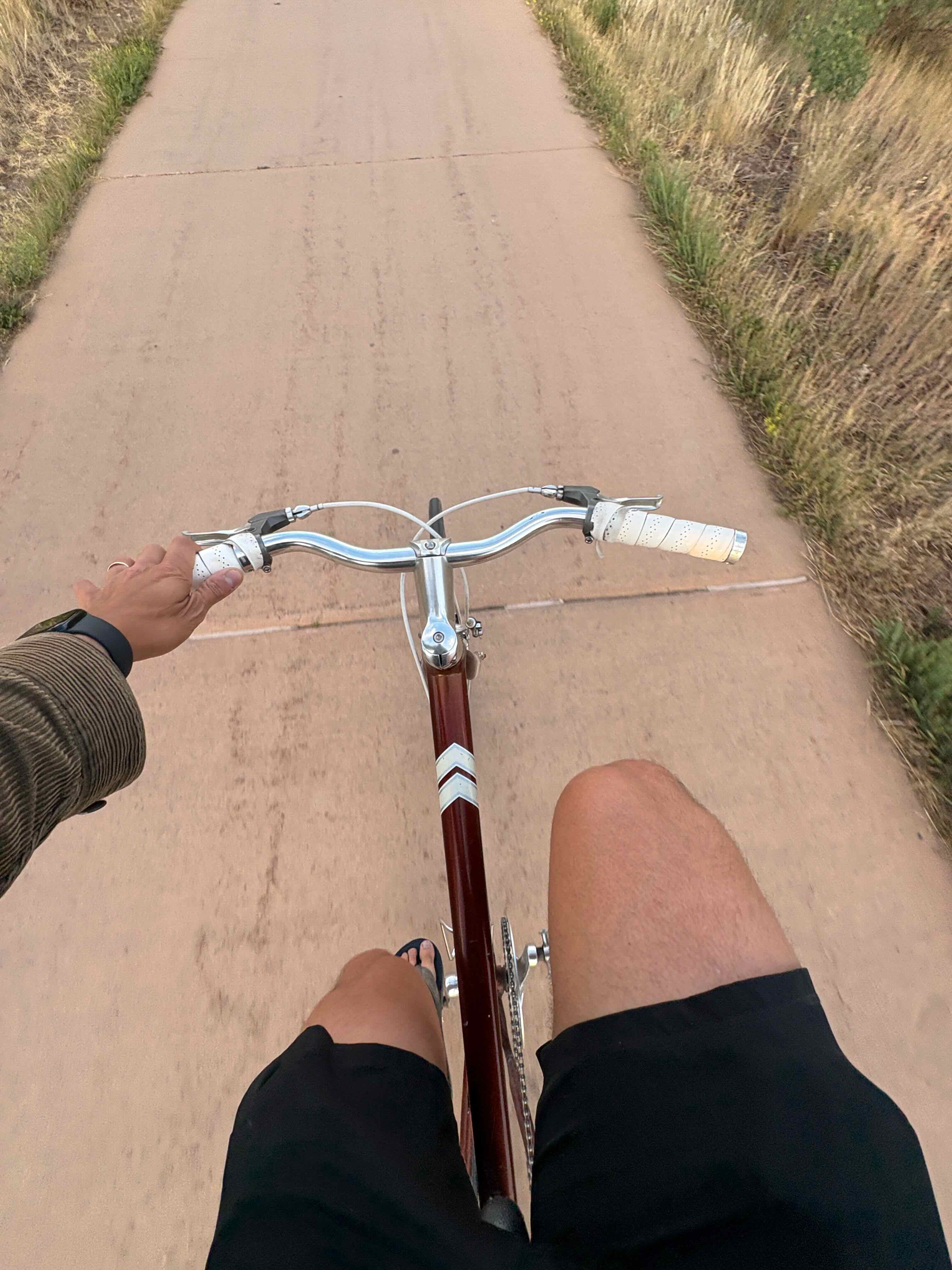
And once I got my hands on a bicycle, a little riding:
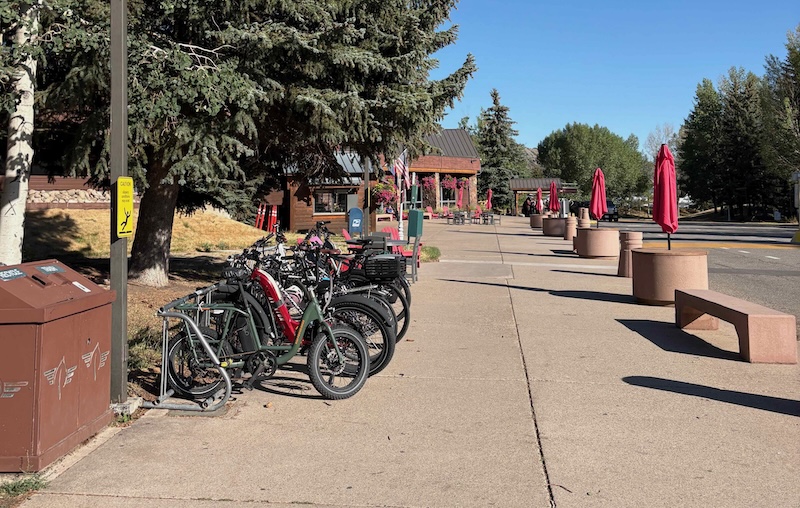
Heading home, I liked seeing the barely-secured bikes parked right in front of the departures entrance:
I recognized most of Aspen from home: the imported workforce, the buses carrying it in and out, the housing that never gets built.
The mountains were the unfamiliar part.
Until next time, Aspen!
Enjoyed this post? Get new posts via email