Essay · GOVERNMENT
Prop 13 Didn't Shrink Government. It Handed It to Sacramento.

In my previous post I argued that California is not the progressive champion it presents itself as. Proposition 13 is a big part of why.
Prop 13 didn’t just shift the tax burden from property onto sales and income.
It gutted political “localism” — the idea that decisions and power should be handled by your own community rather than by distant governments.
The Promise
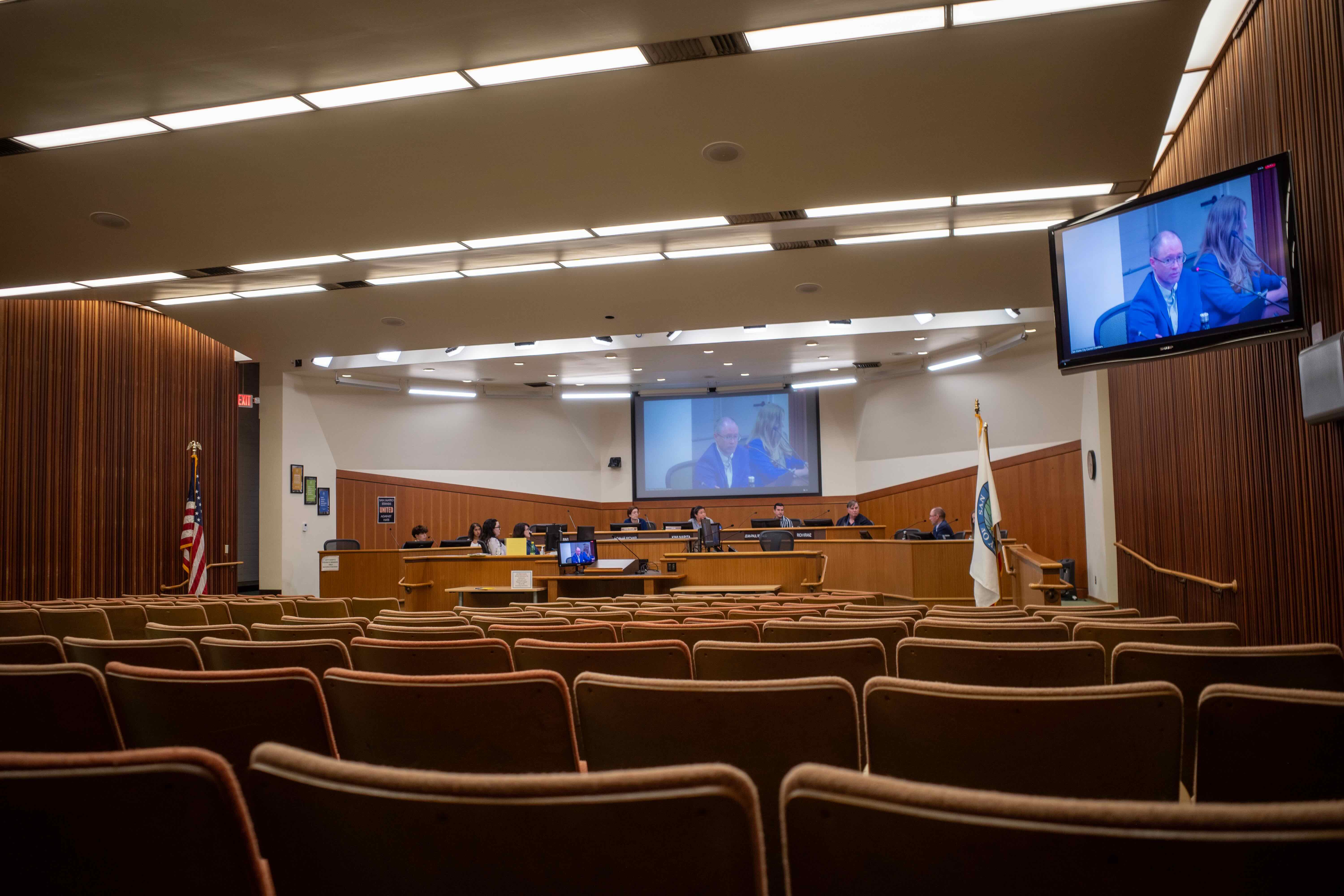
The promise of Prop 13 was small government.
Cap the property tax, block runaway spending, and most enticingly: protect homeowners from being taxed out of their homes by re-assessments.
Nearly 50 years after passage, the question is: did the overall tax burden shrink?
California has the highest top-bracket state income tax and state sales tax in the nation. A sprawling patchwork of fees, assessments, parcel taxes, property transfer taxes, and special assessments has expanded to fill the space Prop 13 created.
The tax burden didn’t shrink.
It moved. So did power.
What Actually Happened
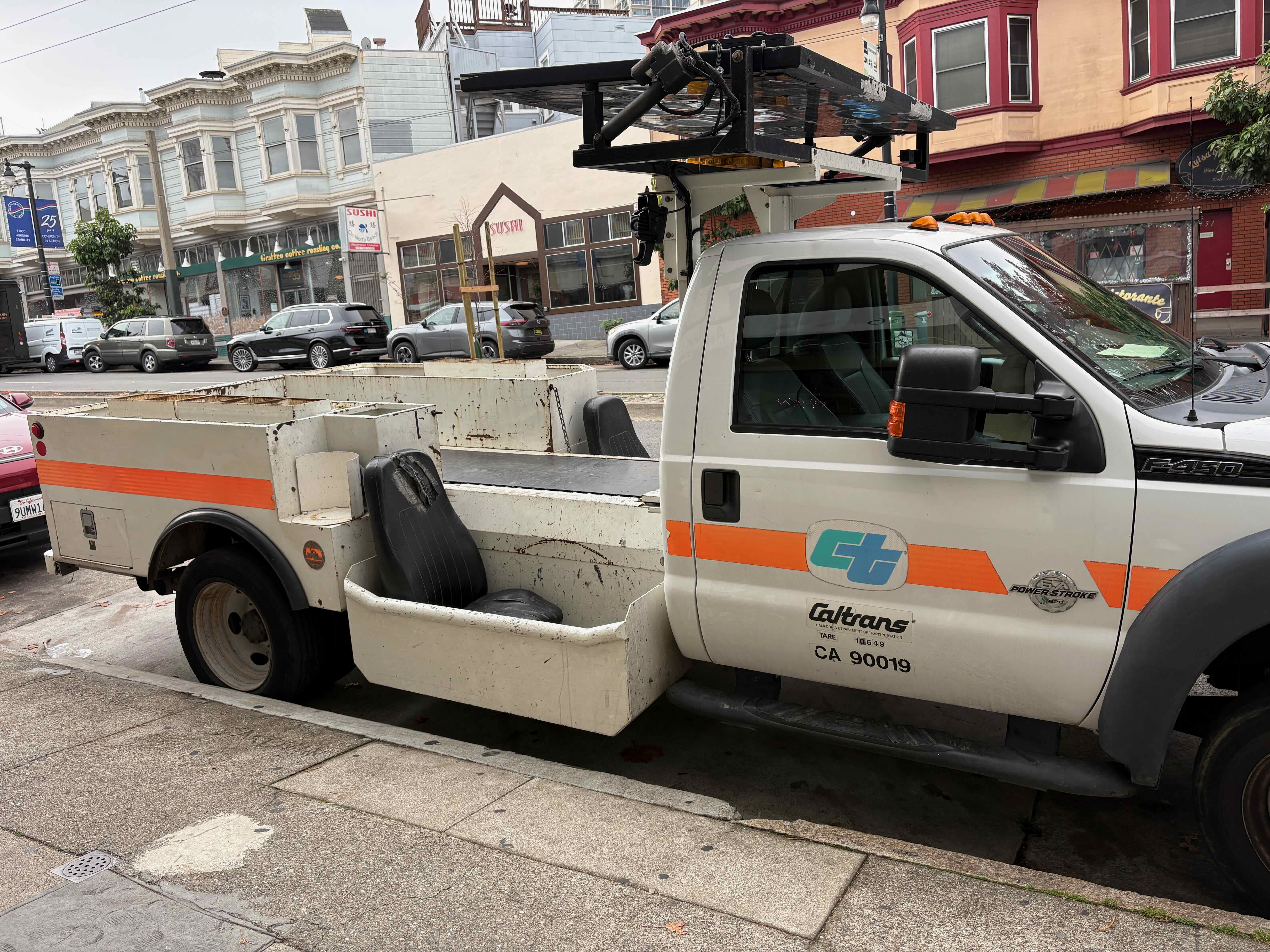
Local government decides what gets built on your block. It operates your library. It fixes your streets (or doesn’t). It sets the speed limit on the road your kid walks to school on (if state law permits it). It’s the tier of government closest to you — the one where showing up to a Tuesday night meeting can actually change something.
Prop 13 didn’t just cap property tax rates. It froze assessed values at acquisition. This handed cities and counties a structural funding problem with no local solution.
While it stripped cities of the ability to raise property taxes — the most stable local revenue source — it gave the state legislature unilateral authority to raise rates above 1%.
The only available response for cities and counties was to become supplicants to Sacramento.
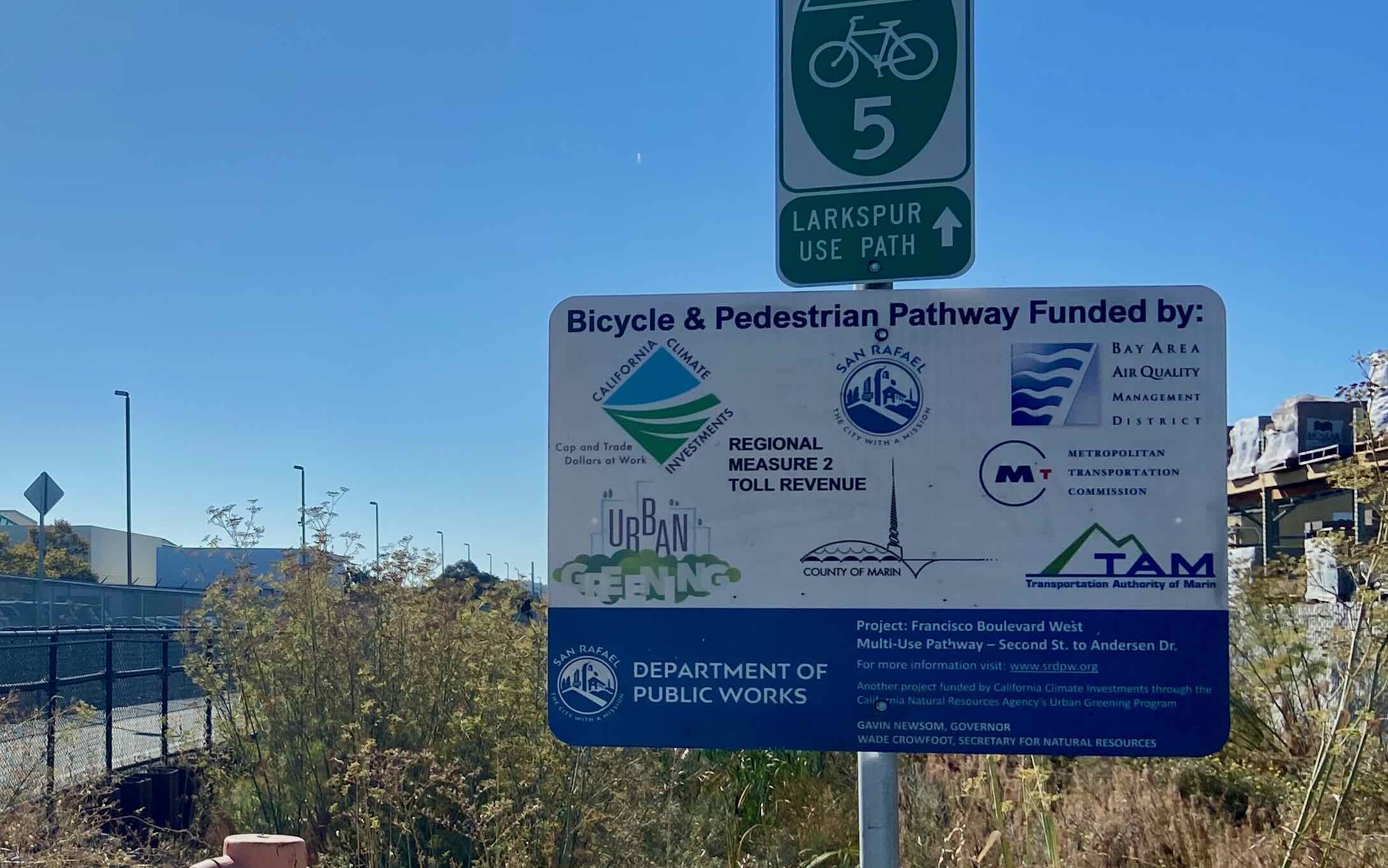
Grants as governance. Cities and counties now employ staff whose entire job is writing applications for state and federal competitive grant programs. Caltrans, the ATP, HSIP, RAISE, INFRA — an alphabet of funding pots that cities must compete for to do basic infrastructure work. A sidewalk gap that would once have been a line item in a city budget is now a multi-year grant cycle involving consultants, environmental review, and scorecards for winning the money through a process designed in Sacramento or Washington DC — and changing with every election.
Consultant capture. Starved of stable and meaningful tax revenues, local governments forgo full-time staff in favor of contractors and consultants. Grant-writing firms, contract engineers, and lobbyists sit between cities and the money that used to be theirs by default. A meaningful fraction of every dollar a city “wins” goes back out the door to the consultants who helped it win.
Developer dependency. Property tax revenue being constrained, cities chase sales tax — which means chasing car dealerships, big box retail, hotels. Cities don’t plan for the public good. They plan to maximize taxable consumption rather than human habitation. Which is how you end up with California cities taking 7 of the 10 worst commute spots in the nation.
Strings attached. When Sacramento does distribute money it sets conditions on receiving it. Housing element compliance, climate goals, transportation performance metrics. These aren’t inherently bad objectives — some of them I actively support! But when local governments need state funding to function, Sacramento’s policy preferences become local policy by financial coercion rather than democratic deliberation. The appearance of local control is preserved. The substance drains away.
A Caveat
None of this is to say Sacramento is the villain.
Some state intervention has been genuinely necessary. The housing element process, SB 9, SB 35, SB 79 — these exist because locally-captured governments were using their autonomy to exclude, downzone, and delay — the predictable result of homevoter dominance in local politics.. When I argue in favor of state preemption of local zoning I am fully aware of what I’m arguing for.
But the choice shouldn’t be between “local governments with bad priorities” and “local governments financially hollowed out.”
Prop 13’s defenders invoke the principle of limiting government.
What it actually did was hand power upward — away from the tier of government most subject to direct democratic accountability, to the tier most insulated from it.
Something has gone wrong when a city has to hire a consultant to compete for a grant to fix a crosswalk.
That is not limited government. It’s just government that is harder to hold accountable.
Reform
Prop 13 reform is a third rail for good reason.
The politics are hard. The policy design matters enormously. Any serious reform has to protect long-tenured homeowners on fixed incomes, and any serious reform will be fought tooth and nail by the political coalition I described in my last post.
But the first step is getting the diagnosis right. The conversation shouldn’t be about whether government is too big. It should be about where power actually lives, and who it actually answers to.
Right now, if you live in California, local government answers to Sacramento.
And that is not what the voters thought they were voting for in 1978.
Enjoyed this post? Get new posts via email