Essay · TRANSPORTATION
The Declining Driver's License: Good, Bad, or Both?

In 1983, nearly half of all 16-year-old Americans had a driver’s license. By 2022, that share had fallen in half to ~25%. Even at 18 years old the rate dropped from roughly 80% to 60% over the same period.
This trend is real, decades-long, and expected to continue.
I want to tell you this is good news, and I think it mostly is. But fewer licenses doesn’t mean more kids on bikes — it may just mean teenagers spending more time on screens and not going anywhere at all.
Sources: Federal Highway Administration Highway Statistics, Table DL-20; AAA Foundation for Traffic Safety
The decline is not a “blip.” It began before smartphones, rideshare, and the Great Financial Crisis of 2008. And some of it traces back to the 1980s rollout of “multi-stage licensing requirements” called graduated driver licensing (GDL): learner’s permits, restricted licenses, mandatory supervised hours. These added requirements made getting a license a months-long process rather than a birthday errand at the DMV.
The current causes driving the rate down are well-known: insurance costs are punishing. A 16-year-old on a standalone insurance policy runs $6,000–$6,700/year before all other vehicle costs, The GDL requirements are big hurdles even if teens don’t cite them as the main barrier, and the cultural meaning of the license has eroded. A driver’s license used to mean you could finally go somewhere without asking your parents. That’s a weaker sell when everything comes to you (Uber, DoorDash, etc.).
Optimistically
If declining licensure reflects a genuine mode shift toward transit, biking, and walking then it is unambiguously good news — for public health, for congestion, and for the quality of public space.
Some evidence points this way. Gen Z expresses stronger preferences for transit-proximate housing than any prior generation: 65% of young people say living near transit is important to them, up 9 points since 2020. The car-free or car-light household isn’t a fringe choice for urban yuppies any more.
If kids are skipping the license because they can get where they need to go without one that is a win, and suggests they’ll build wealth faster and have better health outcomes than they would being shackled to a car loan.
Pessimistically
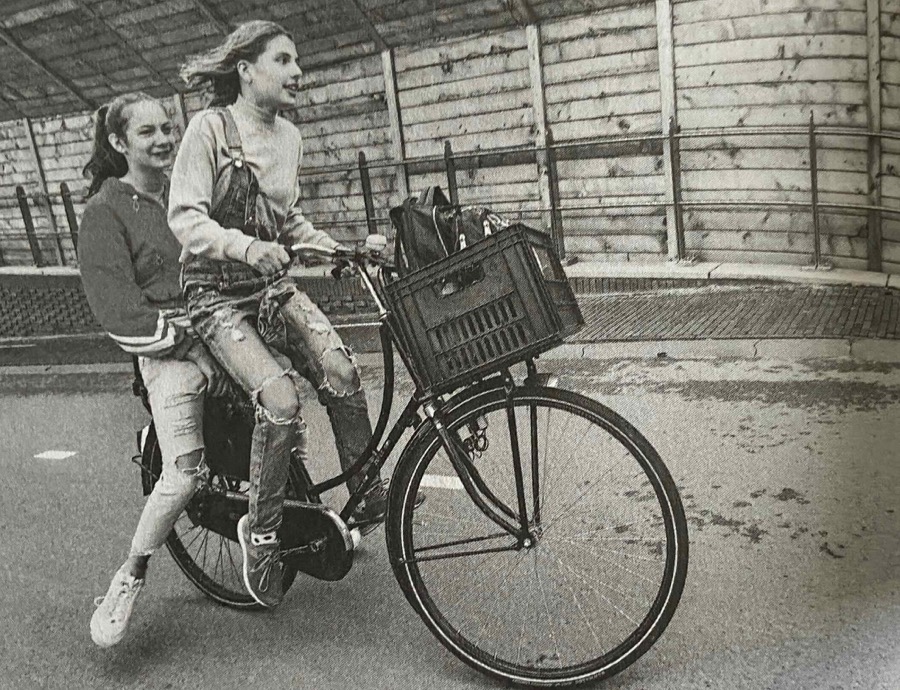
Here’s the problem: walking and biking rates among youth are also down — sharply.
- Children aged 5–14 walking or biking to school: 48% in 1969, 13% in 2009, and the trend has continued downward.
- Youth under 16 share of bicycle trips fell from a historically high proportion to roughly their population share by 2017 — a significant drop in absolute trips, distances, and time.
- Bike ridership among ages 3–17 has declined steadily since 2016; by 2022, only about half had ridden a bike even once in the prior year.
The research on whether declining teen driving has been replaced by transit use is mixed. A peer-reviewed analysis of NHTS data found that young adults’ higher transit use is largely explained by lifecycle factors (lower incomes, smaller households, urban residence) that tend to dissipate as they age — not by a durable cultural shift away from driving.
Or a worse trend is occurring: teens aren’t driving less because they’re walking or biking. They’re driving less because they’re not going anywhere. DoorDashing instead of dining in public. FaceTime instead of a visit to a friend’s house.
This is consistent with declining youth outdoor recreation, declining independent mobility for children, and rising rates of social isolation among adolescents.
What can be done
These two explanations of the youth drivers license trend (mode shift from driving vs. social withdrawal) have completely different policy implications.
If it’s mode shift then the answer is more investment transit, bike infrastructure, walkable land-use reform.
If it’s social withdrawal then more transit won’t fix it. The problem is that young people aren’t traveling to participate in public life at all.
The single biggest determinant of whether a parent will let a child move through the world independently is perceived traffic safety. Not distance, not crime, not stranger danger — traffic. Study after study on children’s independent mobility ranks parental concern about cars as the dominant barrier. This means traffic speed reduction is literally a youth liberation movement. Cities that have implemented area-wide 20mph zones see fewer crashes and they see more kids outside, more kids walking to school, more kids on bikes. The street becomes a place again rather than an obstacle course.
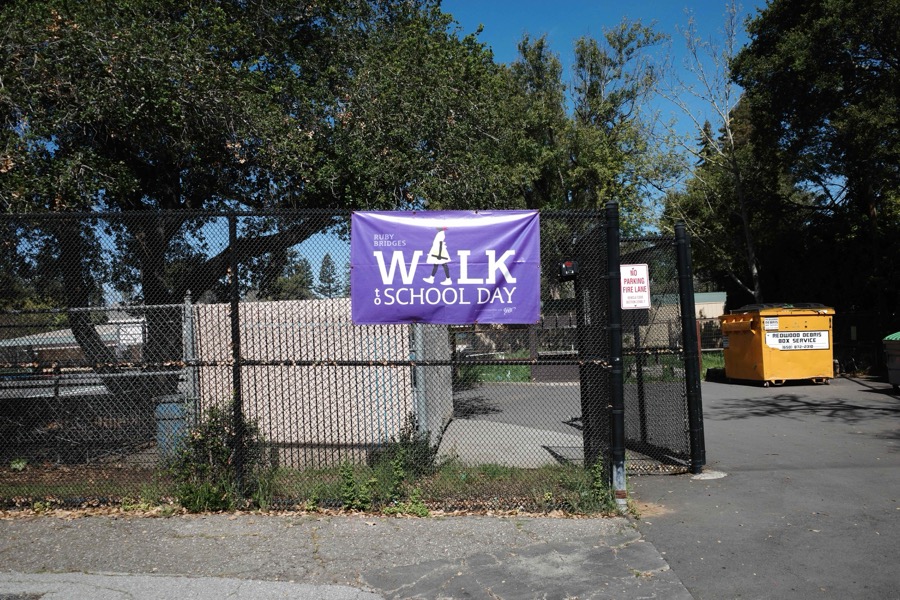
Longer term, where school boards locate their schools is the powerful lever controlling youth transportation choices that almost nobody talks about. The decades-long trend has been to consolidate schools onto cheaper suburban campuses accessible only by car, drawing students from distances too large to walk or bike. This is perhaps the single largest infrastructure decision driving the collapse of children’s independent mobility.
Here’s the number I actually care about: total trips taken by teenagers across all modes.
Like teenagers with driver’s licenses, I expect that number is going down. Between 2009 and 2017, the NHTS found youth accounting for a shrinking share of both bike and walking trips, not just driving.
American youth are not trading the car for the bus/bicycle, they are trading the car for the couch.
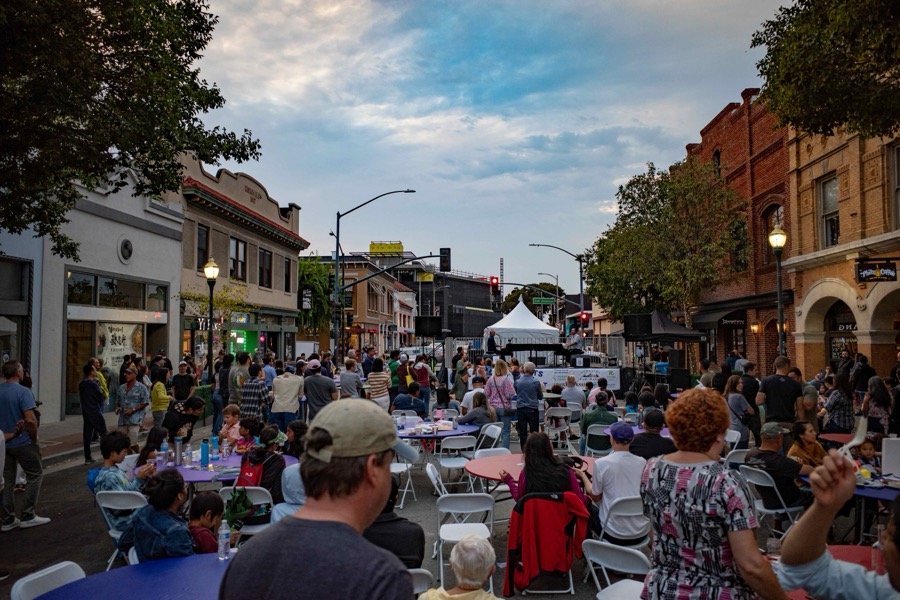
It’s up to us to make our communities more welcoming than the screen of a phone. For me personally, that means advocating for spaces and places that are vibrant, car-free, and all-ages friendly.
Enjoyed this post? Get new posts via email